An Italian butcher is often more than a place to buy meat. It can be a helpful stop for people who want advice on traditional cuts, fresh sausages, cured meats, family meals, and entertaining.
When someone searches for an italian butcher melbourne, they are usually looking for more than standard mince or steak. They may want fresh Italian-style sausages, meat for slow-cooked sauce, thinly sliced salumi, antipasto options, or advice on what to serve for a family lunch.
Italian butchery often focuses on practical cooking support. For example, a customer may ask which cut is best for a rich tomato sugo, what meat works well for meatballs, or how much salumi meat is enough for a grazing board.
A helpful butcher should be able to explain the difference between ready-to-eat items and meat that needs cooking. This matters because fresh meat, sausages, and cured products all need different handling, storage, and preparation.
Good advice can also help customers avoid waste. Instead of guessing portion sizes or buying too many items, they can choose the right mix for the meal, budget, and number of guests.
Why local knowledge matters in Melbourne
Melbourne has a strong food culture, and many people look for butchers that understand both everyday meals and special occasions. This is especially useful for customers preparing antipasto, pasta nights, BBQs, birthdays, family lunches, Christmas gatherings, or weekend entertaining.
Local knowledge matters because customers often want practical answers. They may ask what to buy for a quick dinner, what to serve with wine and cheese, or which cured meats are easier for first-time buyers to enjoy.
A good Melbourne butcher should also understand how people shop. Some customers want sliced salumi for immediate serving. Others want bulk meat for cooking, sausages for the BBQ, or a prepared Salumi plate for guests.
This local service makes the buying process easier. Instead of searching through unfamiliar products, customers can ask questions and get advice that suits the meal they are actually planning.
Understanding Salumi Before You Buy
Salumi meat refers to Italian cured, preserved, or seasoned meat products. It is often served as part of antipasto, grazing boards, sandwiches, panini, pasta dishes, pizza toppings, or simple shared meals.
Salumi is not one single product. It is a broad term that can include different cured meats, cooked meats, dried meats, and seasoned pork products. Some are soft and mild. Others are firm, salty, spicy, smoky, or rich in flavour.
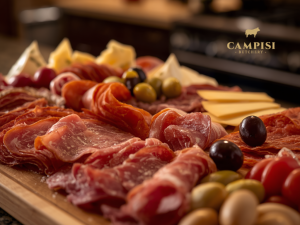
For many customers, salumi is popular because it is easy to serve. You can place it on a board with bread, cheese, olives, roasted vegetables, pickles, fruit, nuts, or dips. It works well for relaxed entertaining because most of the preparation is already done.
However, not every salumi product tastes the same. This is why it helps to ask the butcher about flavour, texture, slicing thickness, and how the product should be served.
If you are buying salumi for the first time, start with a small selection. Choose a mild option, a richer option, and one product with stronger seasoning. This gives your guests variety without making the board too complicated.
Common types of italian salumi
There are many types of italian salumi, and each has its own flavour and use. You do not need to know every name before visiting a butcher, but understanding the basics can help you choose with more confidence.
Common options include:
- Salami, which is usually firm, cured, and seasoned. It can be mild, spicy, or garlicky depending on the style.
- Prosciutto, which is thinly sliced and often served with melon, bread, cheese, or antipasto.
- Mortadella, which is smooth, mild, and often used in sandwiches, platters, or panini.
- Pancetta, which is cured pork belly and is often used in cooking.
- Coppa, which is cured pork neck or shoulder with a rich flavour.
- Bresaola, which is cured beef and is usually lean and delicate.
- Sopressa, which is a traditional salami-style product with a fuller texture and flavour.
- Guanciale, which is cured pork cheek and is often used in classic pasta dishes.
When comparing types of salumi, think about how you plan to use them. A thin, delicate product may suit a refined antipasto board. A stronger cured meat may work better with crusty bread, sharp cheese, or bold flavours.
For cooking, ask whether the product is best served fresh, lightly cooked, or used as a flavour base in pasta or sauce.
Salumi vs Charcuterie: What Is the Difference?
How the terms are similar
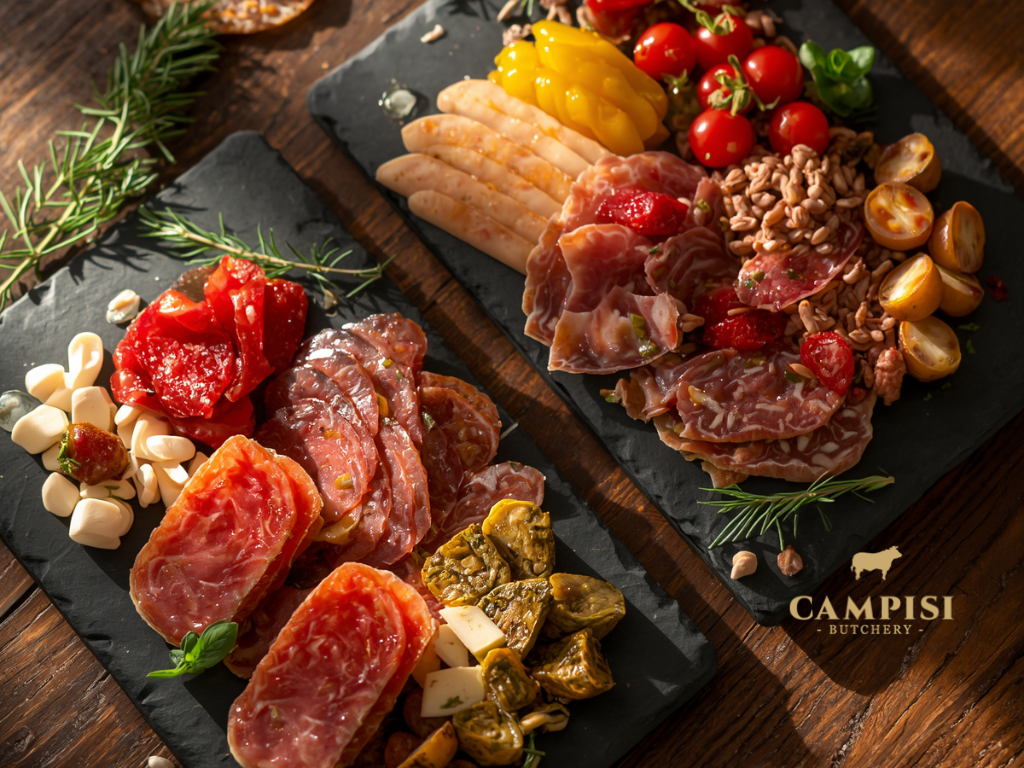
The question of salumi vs charcuterie is common because both are often seen on boards with meats, cheeses, bread, olives, and other small bites.
In simple terms, both refer to traditions of preparing and serving preserved or cured meats. Both can include sliced meats, pâté-style items, sausages, terrines, or other savoury products depending on the region and style.
For everyday shoppers, the main similarity is how they are used. Both salumi and charcuterie can be served at parties, wine nights, picnics, family gatherings, and special occasions.
They are also useful because they make entertaining easier. You can build a board without needing to cook a full meal. You can mix different flavours and textures. You can also prepare most of it ahead of time.
The key is to choose products that work well together. A good board usually has a mix of mild, rich, salty, soft, and firm items, along with bread or crackers to balance the flavour.
Why Italian salumi has its own identity
Italian salumi has its own identity because it is linked to Italian regional food traditions, seasoning styles, pork products, curing methods, and serving customs.
For example, Italian salumi may include products such as prosciutto, salami, mortadella, pancetta, sopressa, coppa, bresaola, and guanciale. These products are often connected to Italian meals, antipasto, pasta sauces, sandwiches, and family-style sharing.
Charcuterie is a broader term and is often linked with French-style meat preparation, although many people now use the word more generally for any cured meat board.
So, when comparing salumi vs charcuterie, the simple answer is this: charcuterie is a broad category, while salumi refers more specifically to Italian-style cured or preserved meats.
For customers, the difference matters most when choosing flavour. Italian salumi often pairs beautifully with simple foods such as fresh bread, cheese, olives, tomatoes, grilled vegetables, figs, melon, and good olive oil.
If you are building an Italian-style board, ask for salumi that gives you a balanced mix of mild, rich, and bold flavours.
Choosing the Right Product for Your Meal or Event
When to buy a Salumi plate or salumi set
A Salumi plate is a good choice when you want something ready to serve. It works well for birthdays, office events, family gatherings, dinner parties, picnics, festive meals, or casual weekend entertaining.
A salumi set can also be useful when you want a selected mix of meats without choosing every item yourself. This can make shopping easier if you are unsure about flavour combinations or portion sizes.
Ready-made options are especially helpful when time is limited. Instead of buying separate products, slicing everything yourself, and trying to balance the board, you can ask the butcher to prepare a practical mix.
When ordering, think about the event. A small gathering may only need a simple selection with two or three meats. A larger event may need more variety, including mild options for guests who prefer lighter flavours and stronger options for people who enjoy richer salumi.
Ask about serving size, slicing thickness, and storage instructions. If the board needs to travel, ask how it should be packed and how long it can stay out safely. Food safety guidance can vary depending on the product and conditions, so ask for product-specific advice.
How to choose fresh meat, sausages, or cured meats
The right product depends on what you are cooking or serving.
Choose fresh meat if you are preparing a cooked meal, such as roast pork, meatballs, slow-cooked sauce, veal cutlets, lamb, steaks, chicken, or BBQ dishes.
Choose sausages if you want something easy to cook and full of flavour. Italian-style sausages can work well in pasta, rolls, BBQ meals, tray bakes, sauces, and family dinners.
Choose cured meats if you want ready-to-eat options for antipasto, grazing boards, sandwiches, or quick entertaining.
Before buying, ask yourself:
- Am I cooking or serving the food ready-to-eat?
- How many people am I feeding?
- Do I want mild, spicy, rich, or smoky flavours?
- Will the food be served as a starter or main meal?
- Do I need the butcher to slice it?
- How long does it need to stay fresh?
- Do I need a custom platter or individual products?
This helps you choose with less guesswork.
If you are comparing products in-store, ask the butcher what they recommend for your meal. A good butcher should explain what each product is best for, not just list what is available.
What to Look for in an Italian Butcher in Melbourne
Freshness, range, and product knowledge
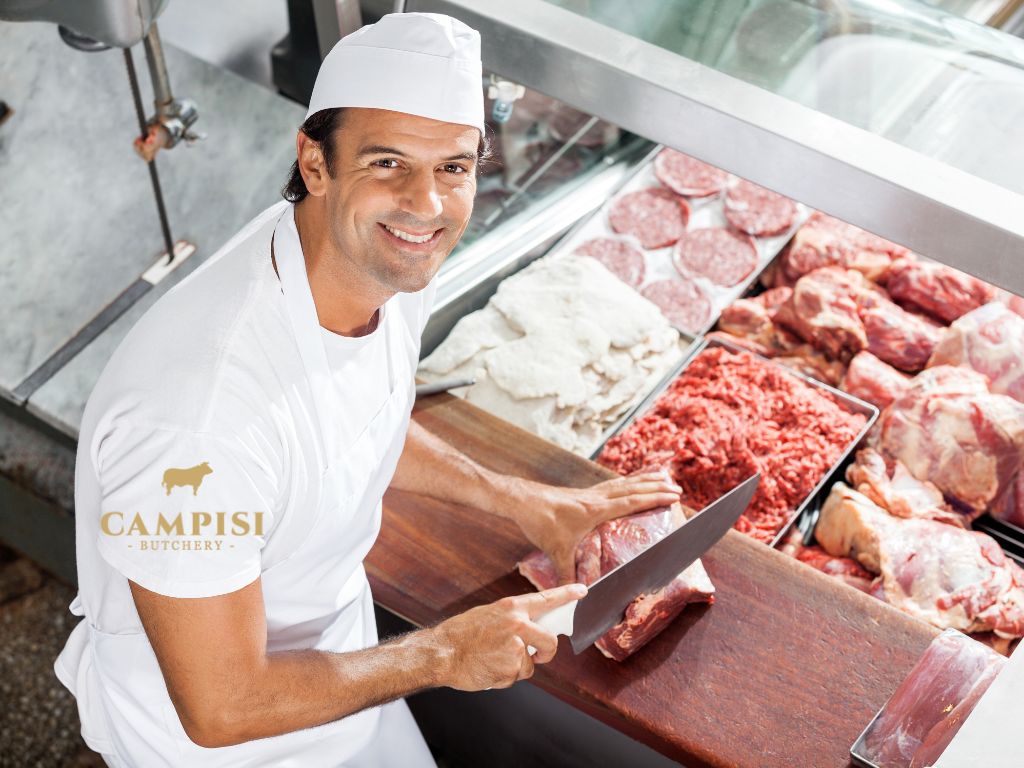
When choosing an italian butcher melbourne customers should look for freshness, range, clean presentation, and helpful product knowledge.
Freshness is important for both fresh meat and ready-to-eat products. The display should look clean and well managed. Products should be clearly labelled where possible. Staff should be able to explain what each item is, how it is used, and whether it is best for cooking or serving.
A strong product range is also useful. A good Italian butcher may offer fresh meat, sausages, salumi, marinated items, smallgoods, slow-cooking cuts, and products for entertaining.
Product knowledge is one of the biggest trust signals. If you ask for meat for pasta sauce, the butcher should be able to suggest a suitable cut. If you ask for a Salumi plate, they should be able to recommend a mix that suits your guest numbers and flavour preferences.
This is where Campisi Butchery can be naturally considered by customers looking for Italian butchery support, especially if they want advice on meat selection, salumi options, or products for family meals and entertaining.
Service that helps you cook with confidence
Good service can make a big difference, especially if you are unsure what to buy.
A helpful butcher can guide you on portion sizes, slicing thickness, cooking methods, storage, product pairings, and substitutions. This matters when you are preparing food for guests and want to avoid buying too much, too little, or the wrong product.
For example, you may ask:
- Which salumi should I choose for a first-time board?
- How much cured meat do I need for 10 people?
- What is best for a pasta sauce?
- Can this be sliced thinly?
- What should I serve with this?
- How long can I keep it in the fridge?
- Can I order ahead for the weekend?
The best experience is not just about the product. It is about clear advice that helps you feel prepared.
When comparing butchers, pay attention to how questions are answered. If the team explains options in plain English and helps you choose based on your meal, that is a strong sign of customer-focused service.
How to Store and Serve Italian Salumi at Home
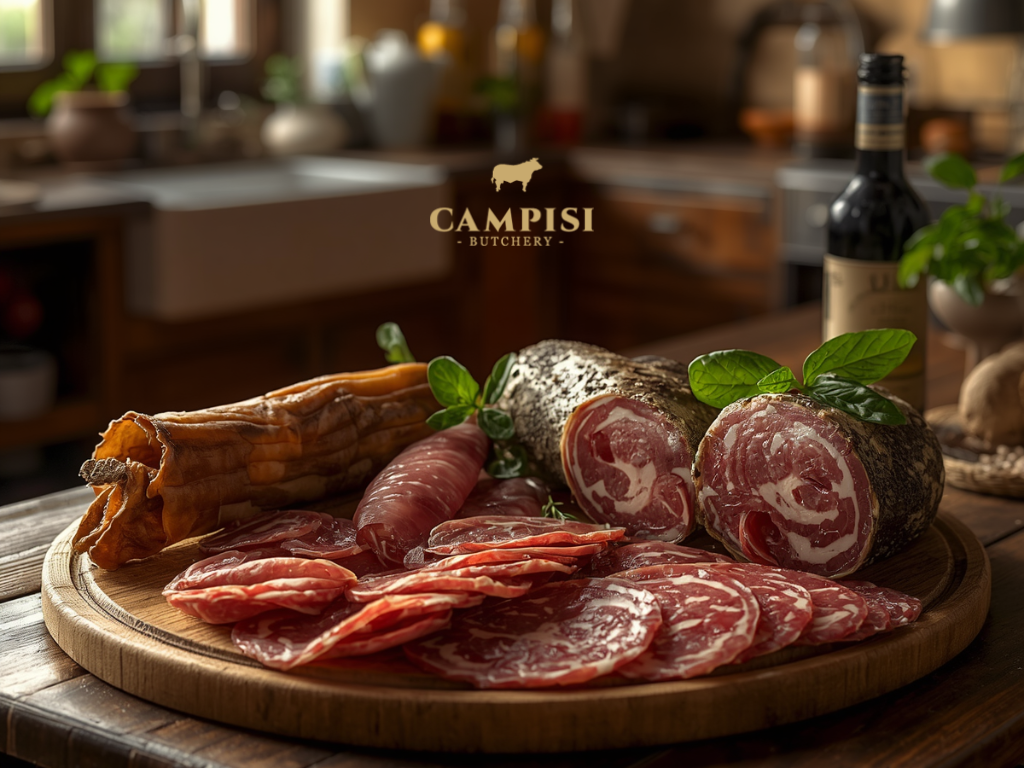
Simple storage tips for freshness and safety
Italian salumi should be handled carefully, especially because many products are ready to eat. Storage advice can vary depending on whether the product is sliced, whole, cooked, cured, packaged, or freshly prepared.
As a general rule, keep sliced salumi refrigerated and sealed until you are ready to serve it. Use clean utensils and avoid mixing ready-to-eat salumi with raw meat. Store fresh meat separately from cured or ready-to-eat products.
If you buy a prepared Salumi plate, ask how long it can be kept before serving and whether it should stay covered in the fridge. If you buy sliced products, ask when they are best eaten.
For food safety, always follow the use-by date, storage label, and butcher’s advice. Temperature, packaging, product type, and time out of the fridge can all affect safety.
If you are transporting salumi for a picnic or event, use a cooler bag or insulated container where appropriate. Keep it chilled until close to serving time.
Serving ideas for antipasto and family meals
Serving italian salumi does not need to be complicated. Simple pairings often work best.
For an antipasto board, you can pair salumi with crusty bread, grissini, olives, cheese, roasted capsicum, artichokes, pickled vegetables, cherry tomatoes, figs, melon, nuts, or a small bowl of olive oil.
For a casual family meal, salumi can be used in sandwiches, panini, pizza, pasta, focaccia, salads, or shared starters.
When building a board, try to include variety. Choose one mild meat, one richer meat, and one stronger or spiced option. Add something fresh or acidic, such as tomatoes, pickles, olives, or fruit, to balance the saltiness.
Serving temperature also matters. Some sliced salumi tastes better when it has rested briefly out of the fridge before serving, but this should be done safely and according to product advice.
If you are unsure, ask the butcher how each product is best served. That small step can make the final dish much better.
When to Contact the Butcher Before Visiting
When it helps to order ahead
It is worth contacting the butcher before visiting if you need something specific or larger than usual.
This includes a custom Salumi plate, a large salumi set, sliced salumi for an event, bulk meat, special cuts, sausages for a BBQ, or products for a birthday, work event, Christmas table, Easter gathering, or family lunch.
Ordering ahead gives the butcher time to prepare the right quantity and presentation. It can also help you avoid missing out on popular products during busy periods.
You should also call ahead if you need a particular cut or product. Some items may not be available every day, and availability can depend on supply, preparation time, and demand.
This is especially useful before weekends and public holidays, when many customers are planning events or family meals.