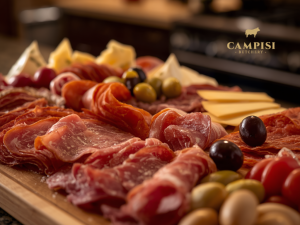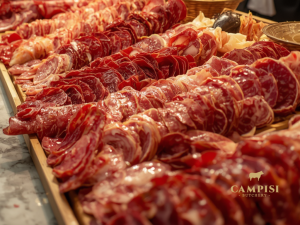
Searching for salumi near me often begins with a simple idea: you want a few good Italian cured meats for a family gathering, celebration, sandwich platter or relaxed weekend meal. However, once you see several types of salumi behind the deli counter, choosing the right combination can become more difficult.
Prosciutto, mortadella, salami, coppa, soppressata and bresaola can all bring something different to the table. Some are mild and delicate, while others are rich, peppery, smoky or spicy. The best selection is not necessarily the one with the greatest number of products. A smaller group of contrasting flavours and textures will often create a more enjoyable board.
This guide explains the main types of salumi, how to balance them with other foods, what to ask your butcher and how to store your purchase safely after bringing it home.
The difference between salumi and salami
Salumi is the wider Italian term for prepared and cured meat products. Salami is one product within that larger category.
This means that prosciutto, mortadella, coppa, pancetta, bresaola and soppressata can all be described as salumi, even though they are not all salami. Some products are made from whole cuts of meat, while others are made from minced or chopped meat combined with seasoning and fat.
Understanding this distinction makes it easier to compare a deli selection. Instead of choosing several products labelled as salami, you can create more variety by combining a whole-muscle cured meat, a finely textured product and a firmer seasoned sausage.
Why each variety tastes different
The flavour and texture of salumi depend on the meat cut, fat content, seasoning, curing process and regional style.
Prosciutto is generally known for its soft texture and delicate salty flavour. Coppa is made from the neck or shoulder area and normally has more visible marbling and a richer taste. Bresaola is usually made from beef and has a leaner texture.
Salami and soppressata are made from chopped or minced meat and fat. Their flavour can range from mild and peppery to strongly seasoned or spicy. Mortadella has a softer texture and a mild, rounded flavour, while ’nduja is a spicy, spreadable product associated with Calabria.
These differences are useful when building a platter because each product can serve a different purpose rather than competing with similar flavours.
Choose a Balanced Mix of Flavours
A balanced board usually benefits from contrast. One mild product gives guests an easy starting point, while a richer or spicier choice adds variety.
For example, you might combine delicate prosciutto with mild mortadella and a peppery or spicy salami. Another option is to pair lean bresaola with marbled coppa and a stronger soppressata.
The aim is not to follow a fixed formula. Instead, think about the people who will be eating the board. A family meal with children may benefit from mostly mild products, while an adult gathering may suit a stronger mix of chilli, pepper and smoked flavours.
When comparing salumi Italian varieties, ask how intense each product is before ordering. This can prevent you from buying several strong products that overpower the rest of the food.
Avoid buying too many similar products
A large selection can look impressive, but it may not offer much variety if every product has a similar texture and seasoning.
Three carefully selected salumis can often provide a better eating experience than six nearly identical salamis. A useful combination might include one thinly sliced whole-muscle meat, one smooth product such as mortadella and one firmer sausage.
This approach can also make portion planning easier. Guests can identify the differences between the products, and less food is likely to be left untouched because one option tastes too similar to another.
Before ordering, ask the butcher to explain which products are mild, rich, smoky, peppery or spicy. This makes it easier to create contrast without needing to recognise every product name.
Compare the Main Types of Salumi
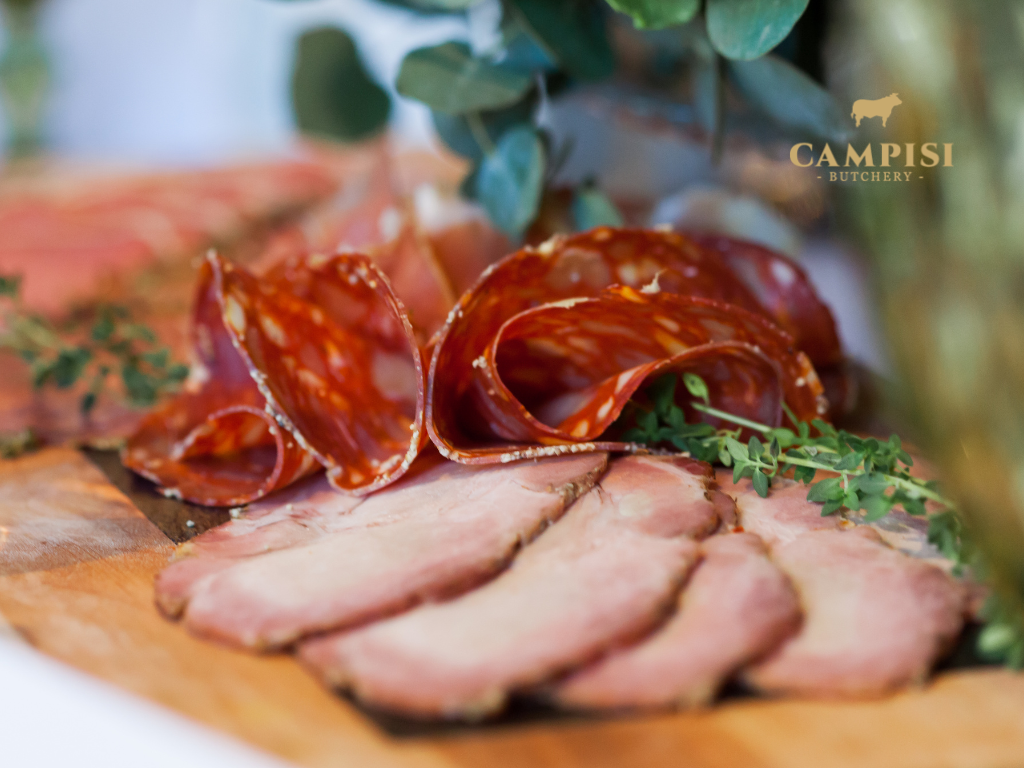
Whole-muscle cured meats
Whole-muscle salumi are made from identifiable cuts rather than minced meat.
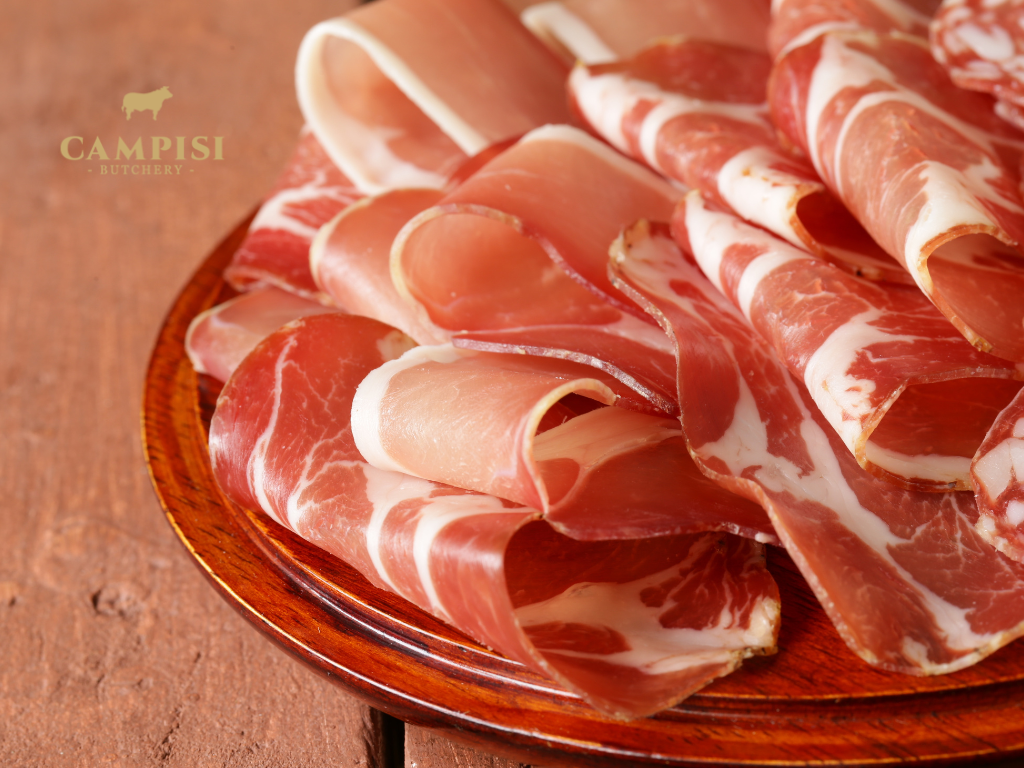
Prosciutto is prepared from the hind leg and is commonly served in very thin slices. Its soft texture makes it suitable for folding or draping across a board rather than laying every slice completely flat.
Coppa, sometimes called capocollo, is made from the neck or shoulder region. It generally has more fat running through the meat, giving it a richer mouthfeel and a stronger flavour than leaner products.
Bresaola is usually made from beef. It is lean, firm and commonly served thinly sliced. It can work well with rocket, lemon, olive oil or a mild cheese.
These products provide visual and textural variety, particularly when used alongside salami or mortadella.
Sausages and softer products
Salami is available in many forms, with differences in grind, seasoning, size and spice level. Some varieties have a fine, even texture, while others have a coarser appearance and larger pieces of fat.
Soppressata is also a cured sausage and may be mild or spicy depending on the recipe. It often has a more rustic, coarse texture than finely ground salami.
Mortadella is softer and smoother. It is normally sliced thinly for platters or more generously for sandwiches. Its mild flavour makes it useful when other meats on the board are stronger.
’Nduja is spreadable rather than sliced. It can be served in a small dish with bread or used sparingly as a spicy element. Because its flavour can be intense, it is best treated as an accent rather than the main salumi meat on the board.
Match Salumi with the Right Accompaniments
Select cheese, bread and vegetables
The other foods on the board should support the salumi rather than hide it.
A mild cheese can sit comfortably beside strongly seasoned salami, while a sharper or firmer cheese may work well with delicate prosciutto or mortadella. The exact combination depends on personal taste, so there is no need to follow strict pairing rules.
Bread should be easy to hold and mild enough to carry the meat. Sliced Italian bread, focaccia, grissini or simple crackers can all work. Including more than one bread texture can make the board feel varied without adding more meat.
Roasted vegetables, marinated artichokes, capsicum and olives can add colour and provide a break from rich flavours. Keep strongly seasoned accompaniments in separate areas so guests can decide how much they want to combine.
Add sweetness and acidity for balance
Salumi can be salty and rich, so sweet and acidic accompaniments help create balance.
Fresh grapes, pear, melon or figs can add a light sweetness. Preserves or honey may also work, particularly with stronger cheese, although they should be served in small amounts so they do not dominate the meat.
Pickled vegetables, cornichons, olives and mustard add acidity and sharpness. These flavours refresh the palate between richer products such as coppa, salami or mortadella.
You do not need to include every possible accompaniment. Choose a few items that provide contrast and leave enough room for the salumi to remain the focus of the board.
Decide How Much to Buy
Plan portions around the type of meal
The amount of salumi required depends on how it will be served.
When the board is a small appetiser before a larger meal, guests will generally eat less than they would at a long grazing lunch. When salumi, cheese and bread form the main meal, a more generous amount will be needed.
Guest preferences also matter. A group that enjoys cured meats may eat more than a mixed gathering where several other dishes are available.
Rather than relying on a universal number, explain the occasion to the butcher. Share the guest count, whether children are attending, how long the food will be available and what other dishes will be served.
This information allows the supplier to recommend a more suitable quantity and helps reduce unnecessary leftovers.
Ask for slicing that suits the product
Slice thickness can change the way salumi tastes and feels.
Prosciutto, bresaola and coppa are usually easier to eat when sliced thinly. The slices can be folded loosely so guests can lift them without pulling several pieces from the board.
Mortadella can be sliced thin for a grazing platter or slightly thicker for sandwiches. Firmer salami may also be cut according to how it will be served.
Tell the butcher whether the meat is for a platter, sandwich, pizza topping or cooking. This helps them recommend a suitable slice rather than treating every salumi product in the same way.
Choose a Local Salumi Supplier
Price matters, but it should not be the only consideration when looking for the best salumi for your occasion.
A useful supplier should be able to explain the main flavour differences, recommend a balanced mix and slice the product for its intended use. Clear ingredient, allergen and storage information is also important, particularly when serving guests.
NSW retail meat businesses that process and sell products such as salami must meet licensing, food-safety and handling requirements. Retail premises producing relevant ready-to-eat or fermented meat products also have additional safety obligations.
When comparing local options, consider the condition of the display, how products are handled and whether staff can answer practical questions about serving and storage.
Ask practical questions before ordering
Before choosing your salumi, explain what you are preparing and which flavours your guests prefer.
Ask whether the products are mild or spicy, whether they contain common allergens and how long they can be stored after slicing. You can also ask which meats provide the greatest contrast when served together.
Confirm whether the salumi will be sliced when you order or prepared for later collection. Fresh slicing may help preserve the intended texture, although storage and serving instructions should always be followed.
For larger gatherings, ordering ahead can also make it easier for the butcher to prepare the requested quantity and slicing style.
When to Contact Campisi Butchery
Seek advice when building a mixed selection
Campisi Butchery can be contacted when you need help choosing Italian salumi for an antipasto platter, grazing board, sandwich spread or family gathering.
The most useful reason to speak with the butcher is not simply to ask which product is best. It is to explain the overall meal so the selection can include different flavours and textures.
For example, let the butcher know whether you already have cheese, olives or other meats. This can help prevent the board from becoming too salty, too spicy or too repetitive.
A knowledgeable recommendation can also be helpful when guests are unfamiliar with Italian cured meats and need a mix of approachable and stronger options.
Provide details about the occasion
When ordering, share the number of guests, serving time and whether the salumi will be an appetiser or the main part of the meal.
Mention any preference for mild, spicy, pork or beef products. You should also ask about ingredient and allergen information when this is relevant to your guests.
Once the salumi has been purchased, follow the storage directions supplied with the product. NSW Food Authority guidance recommends keeping refrigerated food below 5°C, following the label and keeping ready-to-eat foods separate from raw meat.
When serving the board, keep track of how long refrigerated products remain out. NSW guidance applies the two-hour and four-hour rule to food kept between 5°C and 60°C. Food in that temperature range for less than two hours may be refrigerated again, food out for between two and four hours should be used immediately, and food out for more than four hours should be discarded.
By choosing contrasting products, planning portions around the occasion and following safe storage instructions, you can create an Italian grazing board that is enjoyable, practical and suited to your guests.