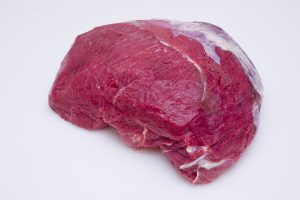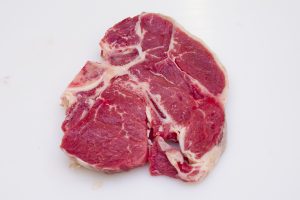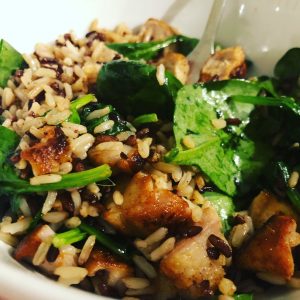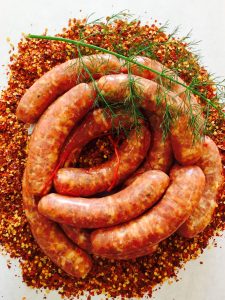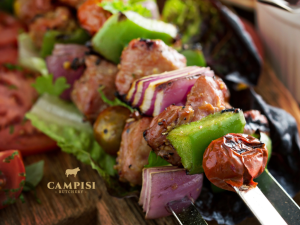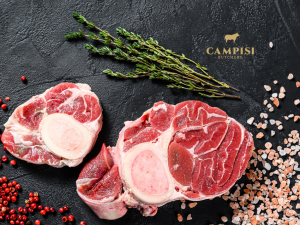
Australian barbecue cooking goes beyond sausages and steaks. From herb-marinated leg of lamb and garlic butter beef to smoky pork belly and juicy chicken skewers, there are plenty of ways to prepare restaurant-inspired meals at home without complicated equipment.
The key is understanding which meat cuts suit different cooking methods, how to build flavour using simple ingredients and when to use direct or indirect heat.
With the right preparation, even an everyday backyard barbecue can become an opportunity to explore new flavour and enjoy quality meat with family and friends.
Why Gourmet BBQ Cooking Is Popular in Australia
Barbecuing is a familiar part of Australian food culture, particularly during warmer months when outdoor entertaining becomes more common.
Many home cooks enjoy experimenting with different marinades, seasonings and cooking methods to create meals that offer something beyond traditional grilled meats.
A simple steak can be served with garlic herb butter, while slow-cooked lamb can be paired with rosemary, lemon and roasted vegetables. Chicken skewers can take on Mediterranean flavour, and pork belly can be finished with a sweet and savory glaze.
Gourmet BBQ cooking does not necessarily require expensive ingredients. The right preparation can make a significant difference, even when using more affordable meat cuts.
Understanding how different meats respond to heat also helps home cooks achieve more consistent results.
Choosing Quality Meats for Gourmet Meat Recipes
Selecting the right meat is one of the most important steps in preparing a successful BBQ meal.
Different cuts contain varying amounts of fat, connective tissue and muscle, which influence tenderness, flavour and cooking time.
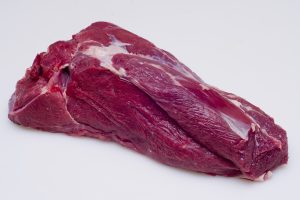
For example, a well-marbled beef steak is suitable for high-heat grilling, while brisket benefits from slower cooking to soften its connective tissue.
Lamb cutlets cook relatively quickly, whereas a whole leg of lamb generally requires longer cooking over indirect heat.
Chicken thighs are often a practical choice for barbecue skewers because their fat content helps them remain moist during cooking.
When shopping for gourmet meats, consider the intended recipe rather than choosing a cut based on appearance alone.
A knowledgeable butcher can explain the differences between cuts, recommend suitable cooking methods and help you select portions appropriate for your gathering.
Choosing the Best Meat Cuts for Your BBQ
A successful barbecue begins with matching the meat to the cooking method.
Some Gourmet Meat Recipes are designed for quick grilling, while others require slower cooking to develop tenderness and flavour.
Understanding these differences makes it easier to plan your menu and avoid overcooking or selecting unsuitable cuts.
Popular Cuts of Beef for Grilling and Slow Cooking
Different cuts of beef offer different textures and cooking characteristics.
Rib-eye is known for its marbling, which contributes flavour and helps keep the meat juicy during cooking. It works well over direct heat, particularly when prepared as a thick steak.
Sirloin is another popular option for grilling. It offers a balance of tenderness and beef flavour and can be served with sauces such as chimichurri, peppercorn sauce or garlic butter.
Rump steak is versatile and can be prepared as individual steaks or sliced for BBQ beef skewers. Cutting the cooked meat across the grain can make it easier to chew.
For slower barbecue cooking, brisket and beef chuck are worth considering.
These cuts contain more connective tissue and generally benefit from longer cooking at controlled temperatures. Brisket is particularly suited to smoking or slow roasting, while chuck can be used for covered barbecue cooking and braised dishes.
When selecting cuts of beef, consider thickness, fat content and the amount of cooking time available.
A thick steak may require searing followed by indirect cooking, while smaller portions can often be cooked entirely over direct heat.
Selecting Lamb, Pork and Chicken Portions
Lamb, pork and chicken provide plenty of variety for Australian BBQ menus.
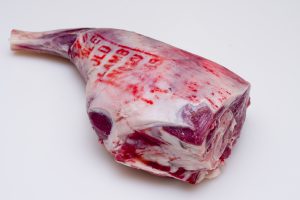
Lamb cutlets are suitable for quick grilling and pair well with garlic, rosemary, mint and lemon. Lamb shoulder is better suited to slow cooking, while a leg of lamb can be roasted using indirect barbecue heat.
Pork chops are convenient for direct grilling, although thicker portions may require a combination of direct and indirect heat.
Pork belly contains layers of fat that benefit from controlled cooking. It can be slow-cooked before being finished at a higher temperature to develop a caramelized surface.
Chicken portions such as thighs, drumsticks and wings are practical options for family barbecues because they work with a wide range of marinades.
Boneless chicken thighs are particularly useful for skewers, while drumsticks and wings can be cooked over indirect heat before being finished over direct heat.
Choosing appropriately sized portions helps simplify preparation and makes it easier to serve different dishes together.
Gourmet Beef and Lamb Recipes for Australian BBQs
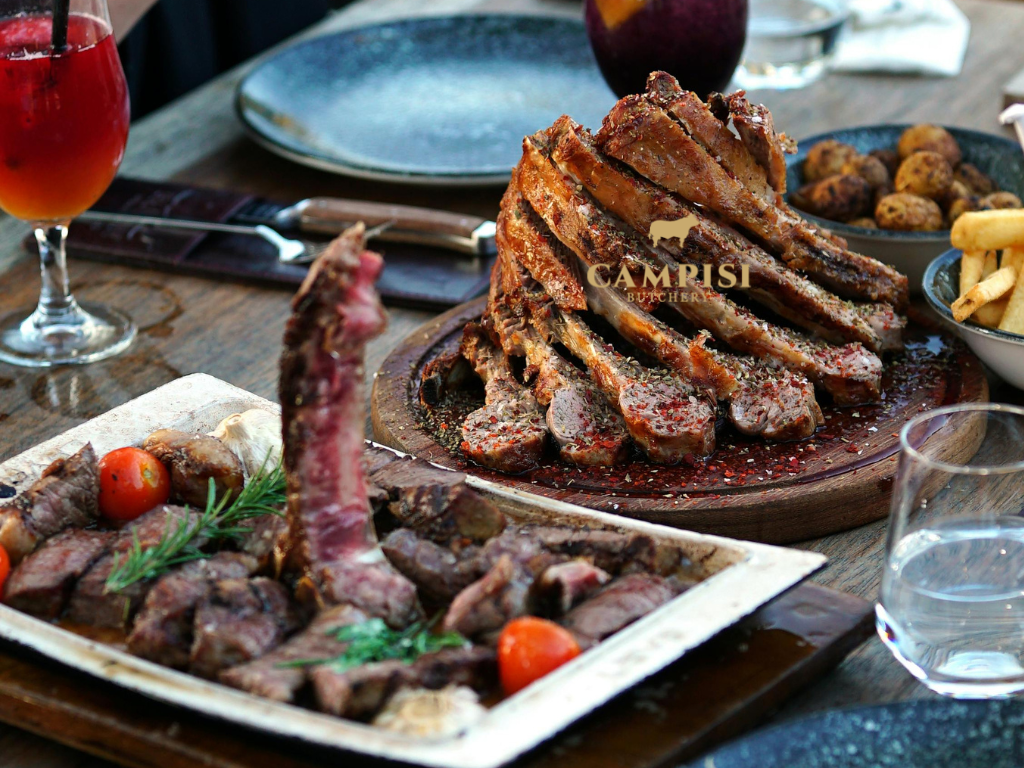
Beef and lamb are popular choices for Australian entertaining because they pair well with herbs, spices and different cooking techniques.
These Gourmet Meat Recipes offer practical ways to prepare flavorful meals using familiar ingredients.
Gourmet Meat Recipes Using Steak and Beef Cuts
Garlic butter steak is a simple recipe that combines a well-seared beef steak with fresh herbs and rich butter.
For four servings, use four beef steaks weighing approximately 200–250 grams each, 40 grams of unsalted butter, two crushed garlic cloves, one tablespoon of chopped parsley, one teaspoon of chopped rosemary, one tablespoon of olive oil, and salt and black pepper to taste.
Begin by mixing the softened butter with garlic, parsley and rosemary. Refrigerate the mixture while preparing the barbecue.
Pat the steaks dry with paper towel and season lightly with salt and pepper. Brush them with olive oil before placing them on a preheated grill.
Cook over medium-high to high heat, depending on steak thickness and the barbecue’s temperature. Turn the steaks as needed to develop an even crust without burning.
For thicker steaks, move them to indirect heat after searing and continue cooking until the centre reaches your preferred level of doneness.
A food thermometer is the most reliable way to check the internal temperature. NSW Food Authority guidance lists 63°C followed by at least three minutes of resting for medium-rare whole cuts of beef.
Serve with grilled asparagus, roasted potatoes or a fresh green salad.
For another variation, replace the garlic butter with chimichurri made from parsley, garlic, olive oil, red wine vinegar, oregano and a little chilli.
This fresh sauce works particularly well with rump and sirloin because its acidity balances the richness of grilled beef.
BBQ Leg of Lamb with Herbs and Garlic
A herb-marinated leg of lamb is an excellent centerpiece for a family barbecue or special gathering.
For approximately six servings, use a 1.5–2 kilogram boneless leg of lamb, preferably butterflied for easier grilling.
Prepare a marinade using four crushed garlic cloves, three tablespoons of olive oil, two tablespoons of lemon juice, two teaspoons of chopped rosemary, one teaspoon of dried oregano, one teaspoon of salt and freshly ground black pepper.
Combine the ingredients in a bowl and rub the mixture evenly over the lamb.
Cover and refrigerate for at least two hours, or overnight for a stronger flavour. Keep the meat refrigerated throughout marinating.
Before cooking, preheat a barbecue with a lid to approximately 180°C and prepare separate direct and indirect cooking zones.
Sear the butterflied lamb briefly over direct heat to develop color, then move it to the indirect cooking area.
Close the barbecue lid and continue cooking until the centre reaches the desired temperature. For a 1.5–2 kilogram butterflied leg, cooking may take approximately 35–60 minutes, depending on thickness and barbecue performance.
Use a meat thermometer rather than relying entirely on time. For medium-rare whole-cut lamb, the NSW Food Authority recommends 63°C with at least three minutes of resting.
Remove the lamb from the heat and allow it to rest before slicing across the grain.
Serve with roasted potatoes, grilled vegetables, lemon wedges and a yogurt dressing made with garlic and fresh mint.
For a different flavour, replace rosemary and oregano with ground cumin, coriander and smoked paprika.
Chicken and Pork BBQ Ideas for Easy Entertaining
Chicken and pork are versatile ingredients that can be prepared using sweet, smoky, citrus or herb-based marinades.
These Gourmet Meat Recipes are suitable for casual gatherings because much of the preparation can be completed before guests arrive.
Gourmet Meat Recipes with Marinated Chicken
Lemon and herb chicken skewers are easy to prepare and work well with salads, flatbread and grilled vegetables.
For four servings, use approximately 800 grams of boneless chicken thigh, two tablespoons of olive oil, two tablespoons of lemon juice, three crushed garlic cloves, one teaspoon of dried oregano, one teaspoon of sweet paprika, and salt and pepper to taste.
Cut the chicken into evenly sized pieces and place them in a bowl.
Combine the olive oil, lemon juice, garlic, oregano and paprika, then coat the chicken thoroughly.
Cover and refrigerate for at least 30 minutes. For a stronger flavour, marinate for two to four hours.
Thread the chicken onto metal skewers or soaked wooden skewers, leaving small gaps between pieces to encourage even cooking.
Preheat the barbecue to medium heat and lightly oil the cooking surface.
Grill the skewers for approximately 12–18 minutes, turning regularly. The actual cooking time will depend on the size of the chicken pieces and the barbecue’s heat.
Chicken must be cooked thoroughly. Food Standards Australia New Zealand recommends an internal temperature of at least 75°C in the thickest part of poultry.
Serve the skewers with warm flatbread, cucumber salad and a simple yogurt sauce made from Greek yogurt, lemon and garlic.
The same marinade works with chicken drumsticks or wings, although these portions generally require longer cooking.
For a smoky variation, replace the oregano with additional smoked paprika and a small amount of ground cumin.
Pork BBQ Recipes with Smoky and Sweet Flavour
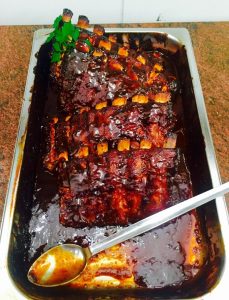
Honey and garlic pork belly is a flavorful option for a weekend barbecue.
For approximately four servings, use one kilogram of skinless pork belly, three tablespoons of soy sauce, two tablespoons of honey, two tablespoons of brown sugar, two crushed garlic cloves, one teaspoon of grated ginger and one tablespoon of apple cider vinegar.
Cut the pork belly into thick strips or leave it in larger pieces if you prefer slower cooking.
Mix the soy sauce, honey, brown sugar, garlic, ginger and vinegar to make a glaze. Reserve some of the clean, unused mixture for finishing.
Preheat the barbecue to approximately 160°C and prepare it for indirect cooking.
Place the pork belly in a suitable covered barbecue-safe tray and cook over indirect heat for approximately 90 minutes to two hours, checking regularly. Thicker pieces may take longer.
Pork belly benefits from continued cooking beyond the minimum safe temperature because its fat and connective tissue need time to soften.
Once the meat is tender, brush it with the reserved glaze and briefly finish over a hotter section of the barbecue.
Watch carefully because the honey and sugar can burn quickly.
Allow the pork to rest briefly before slicing.
Serve with Asian-style slaw, steamed rice or grilled vegetables.
For a simpler option, pork chops can be marinated in olive oil, garlic, rosemary and lemon before grilling over medium heat.
Use a food thermometer to check doneness rather than relying only on the color of the meat.
Adding More Variety to Your Gourmet BBQ Menu
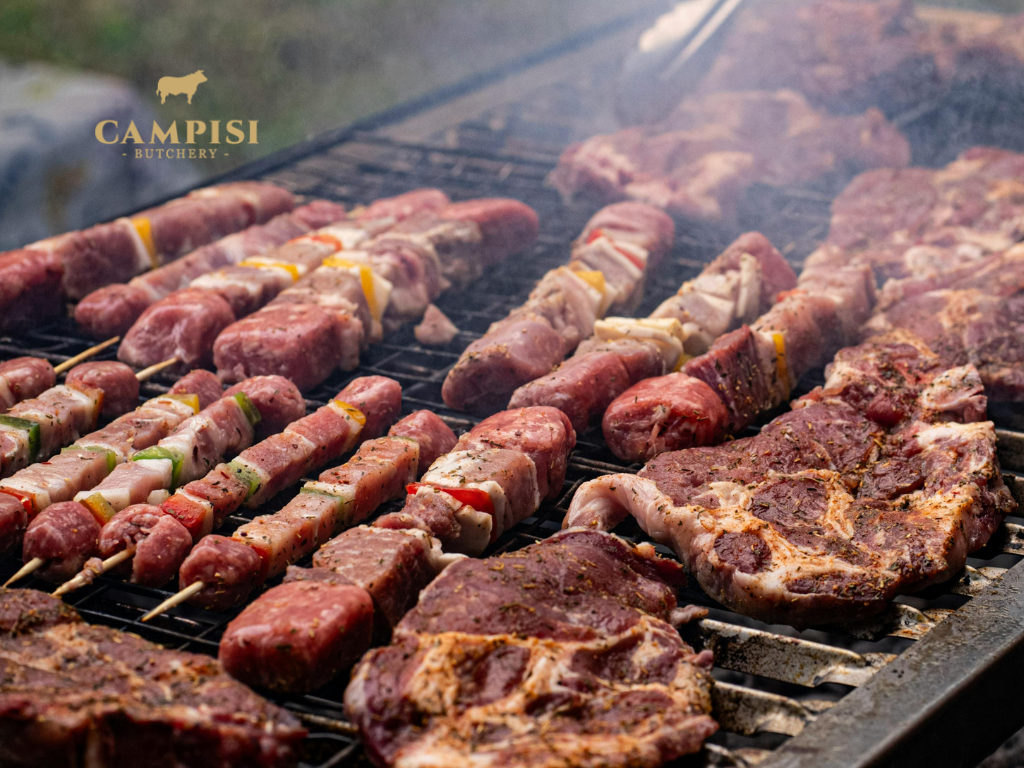
A gourmet barbecue does not need to rely entirely on grilled meat.
Appetizers, slow-cooked dishes and complementary ingredients can create a more interesting dining experience.
Including different textures and preparation methods also allows Gourmet Meat Recipes to suit a wider range of tastes and occasions.
Using Cured Meats in BBQ Starters and Platters
Cured meats are useful for preparing appetizers that can be served while the barbecue is heating or the main dishes are cooking.
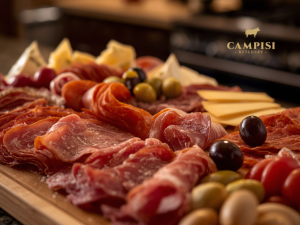
Prosciutto, salami and other cured meat varieties can be combined with cheeses, olives, fresh fruit, roasted vegetables and crusty bread.
For a simple starter, wrap thin slices of prosciutto around asparagus spears and grill briefly until the asparagus is tender and the prosciutto is lightly crisp.
Another option is to prepare a platter with salami, marinated olives, grilled capsicum, cheese and freshly sliced bread.
These dishes require relatively little preparation and can complement richer barbecue mains.
When searching for cured meats near me, consider whether the butcher or supplier offers the varieties, portion sizes and preparation styles suitable for your gathering.
Different cured meats have different flavour, salt levels and storage requirements. Some are ready to eat, while others require cooking, so always follow the product instructions.
Keep perishable platter ingredients refrigerated until they are needed and avoid placing them near raw meat preparation areas.
Can Pot Roast Veal Be Adapted for BBQ Cooking?
Veal is another meat option worth considering when planning a varied menu.
Cuts commonly used for pot roast veal generally benefit from slow, moist cooking rather than direct exposure to high heat.
However, a barbecue with a lid can sometimes be used for covered roasting or braising when the appropriate equipment is available.
For example, veal shoulder can be cooked in a covered barbecue-safe roasting dish with stock, garlic, onion, rosemary and vegetables.
Begin by browning the veal in a suitable pan, then add enough stock to partially surround the meat.
Cover the dish securely and place it over indirect heat at approximately 150–160°C.
Cook slowly until the meat becomes tender when tested with a fork. Depending on the size and cut, this may require several hours.
A thermometer can help confirm the meat has reached an appropriate internal temperature, while tenderness indicates whether the connective tissue has softened sufficiently.
Serve the veal with roasted root vegetables or mashed potatoes.
This method allows a pot roast-style dish to form part of an outdoor cooking menu without attempting to grill a cut that is better suited to slower preparation.
BBQ Cooking Techniques for Better Results
The quality of a barbecue meal depends on more than seasoning.
Understanding heat control, preparation and safe handling can make Gourmet Meat Recipes easier to prepare and more consistent.
Direct vs Indirect Heat for Gourmet Meat Recipes
Direct heat involves placing meat over the main heat source.
This technique is suitable for foods that cook relatively quickly, including steaks, lamb cutlets, chicken skewers and thinner pork chops.
Direct grilling helps develop browning and the familiar barbecue flavour associated with seared meat.
However, thicker cuts may brown on the outside before the centre reaches the desired temperature.
Indirect cooking addresses this problem by positioning the meat away from the main heat source and using the closed barbecue lid to circulate heat.
This method is useful for larger cuts, including leg of lamb, pork belly and some beef roasts.
For example, a thick steak can be seared over direct heat and then moved to an indirect cooking zone to finish more gently.
A leg of lamb can also be browned first and then roasted with the barbecue lid closed.
Slow-cooking cuts such as brisket require more time because their connective tissue needs prolonged heat exposure to soften.
Choosing the correct method helps produce better results without relying on excessive heat or unnecessary cooking time.
Marinades, Cooking Temperatures and Resting Meat
Marinades can add flavour and, depending on their ingredients, influence the surface texture of meat.
Olive oil, garlic, herbs, citrus juice, yogurt and spices are common ingredients used in Australian BBQ cooking.
Acidic ingredients such as lemon juice and vinegar should be used in balanced amounts because prolonged exposure can change the texture of the meat’s surface.
Always marinate raw meat in the refrigerator rather than leaving it on the kitchen bench.
If you want to use marinade as a finishing sauce, reserve a clean portion before it comes into contact with raw meat. Marinade that has touched raw meat must be thoroughly cooked before serving.
A food thermometer is particularly useful when preparing chicken, larger roasts or thick meat portions.
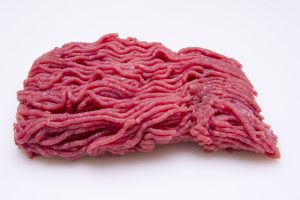
Food Standards Australia New Zealand recommends cooking poultry, minced meat, rolled meat and offal to at least 75°C in the centre. Whole, intact cuts of beef and lamb have different cooking considerations and may be prepared to preference when handled and cooked appropriately.
Allowing cooked meat to rest briefly before slicing helps reduce the immediate loss of juices when the meat is cut.
Smaller steaks may only need a few minutes, while larger roasts generally benefit from a longer resting period.
Food safety should remain a priority throughout preparation. Keep raw meats separate from ready-to-eat foods, wash utensils and preparation surfaces properly, and refrigerate leftovers promptly.
These habits are especially important during outdoor entertaining, when warm weather can increase the risk of food spoilage.
Planning a Gourmet Australian BBQ at Home
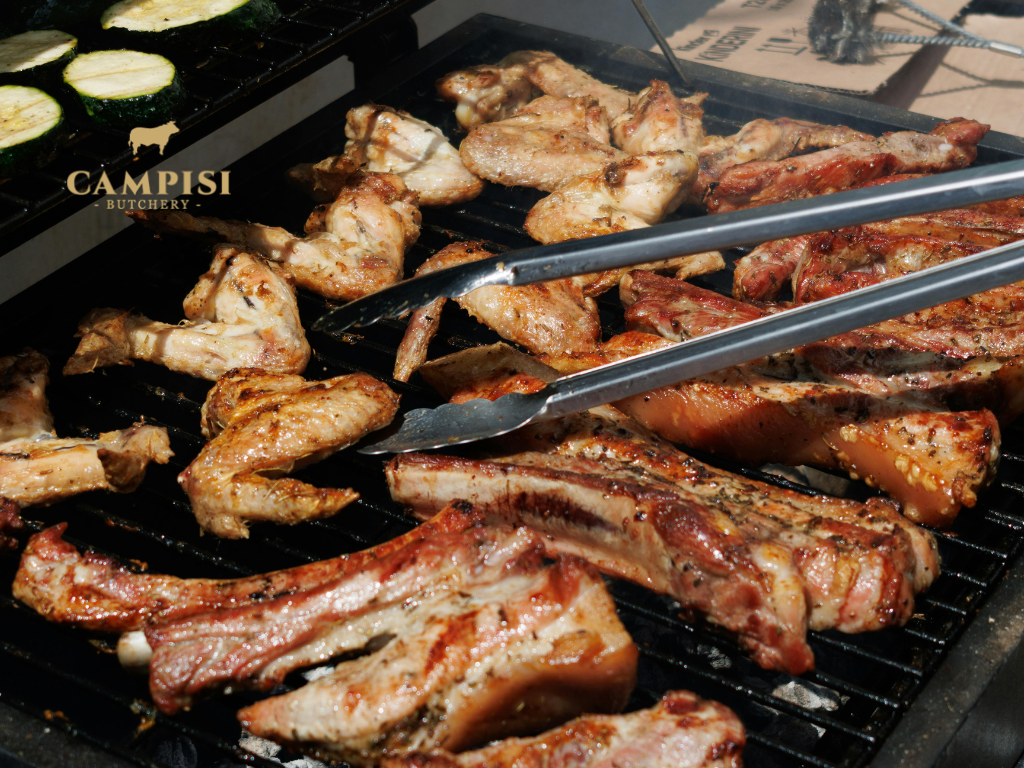
Preparing a successful barbecue involves choosing dishes that complement each other and allowing enough time for different meats to cook properly.
With a little planning, Gourmet Meat Recipes can become part of an enjoyable gathering rather than requiring constant attention to the barbecue.
Choosing Meats, Side Dishes and Serving Portions
When planning a BBQ menu, consider the number of guests, their preferences and the dishes you intend to serve.
A menu with several meat options allows guests to try different flavour without needing a full serving of every dish.
For example, you might prepare herb-marinated lamb as the main dish, chicken skewers as a second option and a small platter of cured meats as a starter.
If the gathering includes several sides, approximately 200–250 grams of raw boneless meat per adult can be a useful starting estimate, although actual requirements vary depending on appetite, the cuts selected and the number of dishes.
Bone-in cuts require additional weight to account for bones.
Choose side dishes that complement the richness of the meat rather than compete with it.
Grilled vegetables, potato salad, roasted pumpkin, fresh garden salad and crusty bread are familiar options that work well with many BBQ recipes.
For sauces, consider chimichurri with beef, mint yogurt with lamb, garlic sauce with chicken or a tangy slaw dressing with pork.
It is also worth considering how much space is available on the barbecue.
If you are cooking several dishes, start with items that require the longest cooking time and prepare quick-grilling meats closer to serving.
Marinades, salads and sauces can often be prepared ahead of time, reducing the amount of work required during the gathering.
Bringing Gourmet Meat Recipes to Your Next BBQ
A memorable Australian barbecue begins with suitable ingredients and an understanding of how to cook them.
Beef steaks can be enhanced with simple garlic butter, lamb can develop excellent flavour with rosemary and lemon, while chicken and pork can take on a variety of marinades and glazes.
The best results usually come from matching the meat cut to the cooking method, controlling barbecue temperatures and allowing enough time for preparation.
Choosing appropriate portions can also help reduce unnecessary food waste and make meal planning more manageable.
If you are unsure which cuts will work best for your intended recipe, speaking with a butcher can help you understand the differences between available options.
Campisi Butchery is one option for customers exploring meat selections for home cooking and entertaining. Discussing your preferred recipes, serving requirements and cooking methods can help you identify suitable cuts for your next gathering.
Whether you are preparing a simple family barbecue or planning a more elaborate outdoor meal, gourmet cooking does not need to be complicated.
With thoughtful preparation, quality ingredients and practical cooking techniques, you can create flavorful BBQ dishes that make the most of Australia’s outdoor dining culture.