Searching for salumi near me usually means you are not just looking for any sliced meat. You may be planning an antipasto platter, preparing food for guests, building a grazing board, making Italian-style sandwiches or looking for something better than standard supermarket deli meat.
Salumi is popular because it brings strong flavour, variety and convenience to simple meals. It can be served with bread, cheese, olives, pickled vegetables, fresh fruit, crackers or wine. It can also be used in sandwiches, pasta dishes, pizza toppings and family lunches.
For Australian shoppers, the main challenge is knowing what to buy. Salumi can include many different products, and each one has a different taste, texture and use. Understanding the basics can help you choose more confidently when visiting a butcher, deli or local smallgoods supplier.
How salumi differs from regular deli meat
Salumi refers to Italian-style cured, cooked, dried, seasoned or preserved meats. It is often linked with traditional Italian butchery and includes more than just salami. Common examples include prosciutto, mortadella, coppa, pancetta, bresaola, soppressata and different regional salami styles.
Regular deli meat is a broader term. It may include sliced ham, turkey, chicken, roast beef or processed sandwich meats. Salumi usually has a more specific Italian food identity and is often chosen for flavour, texture and serving style.
This matters when you are buying for a platter or event. A standard sliced ham may suit school lunches or everyday sandwiches, while italian salumi is often chosen when you want stronger flavour, better variety and a more traditional antipasto feel.
Why salumi is often linked to Italian food traditions
Italian salumi is closely connected to preserving meat through curing, seasoning and ageing. Different regions and producers may use different cuts, spices and preparation methods, which is why salumi can vary so much in flavour.
Some salumi meat is soft and delicate. Some is firm and dry. Some is mild, while others are spicy, salty, smoky or rich. This variety is one reason salumi works well for shared plates.
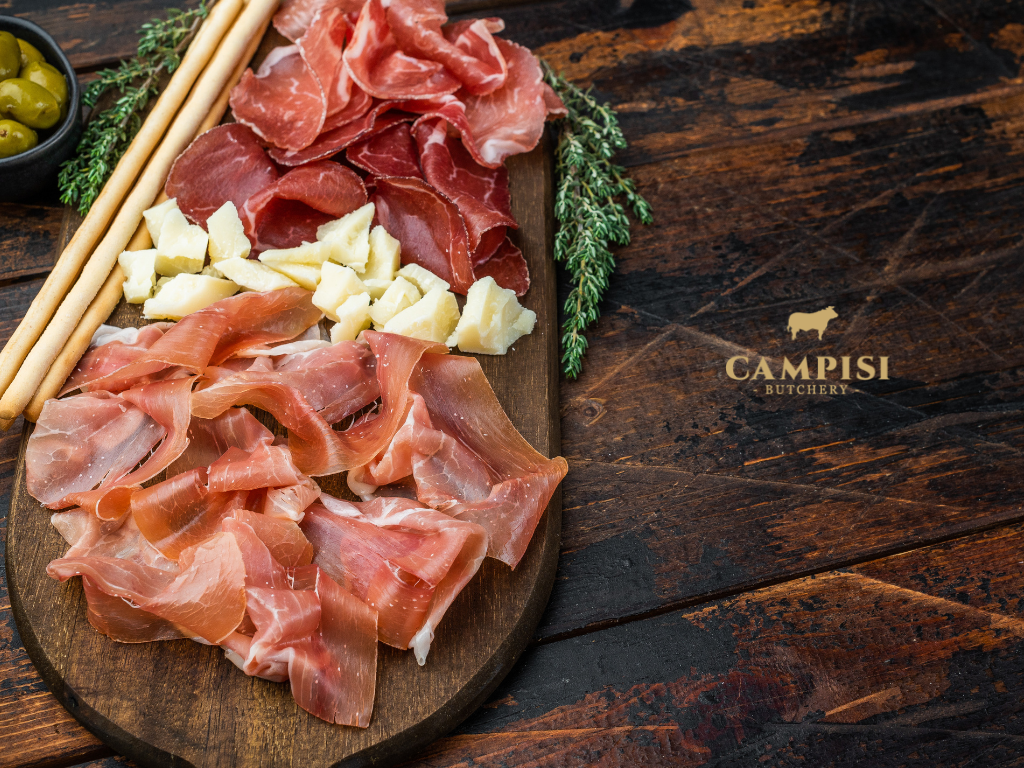
For example, prosciutto can bring a soft and delicate texture, mortadella can add a mild and smooth flavour, and salami or soppressata can bring a firmer bite. Knowing these differences helps you build a better plate instead of choosing several meats that taste too similar.
Salumi vs Charcuterie: What Is the Difference?
Why salumi is Italian and charcuterie is broader
Many people use salumi and charcuterie as if they mean the same thing, but there is a difference. Salumi usually refers to Italian-style cured or prepared meats. Charcuterie is a broader French-origin term that can refer to prepared meats more generally, and today it is often used to describe mixed grazing boards with meats, cheeses, fruits, crackers and dips.
So, when comparing salumi vs charcuterie, a simple way to think about it is this: salumi is usually about Italian meats, while charcuterie can describe a wider serving style or board.
This difference is useful when ordering. If you ask for salumi, you are usually asking about Italian-style meat products. If you ask for a charcuterie board, you may be asking for a wider platter that includes meats plus other accompaniments.
How the difference helps when choosing a platter
Understanding the difference helps you order more clearly. If you want an Italian-style platter, ask about italian salumi options and what pairs well with them. If you want a broader entertaining board, ask what cheeses, olives, breads or extras can be added.
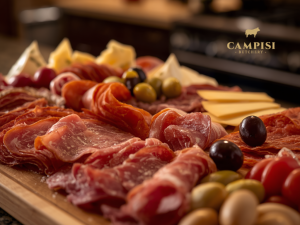
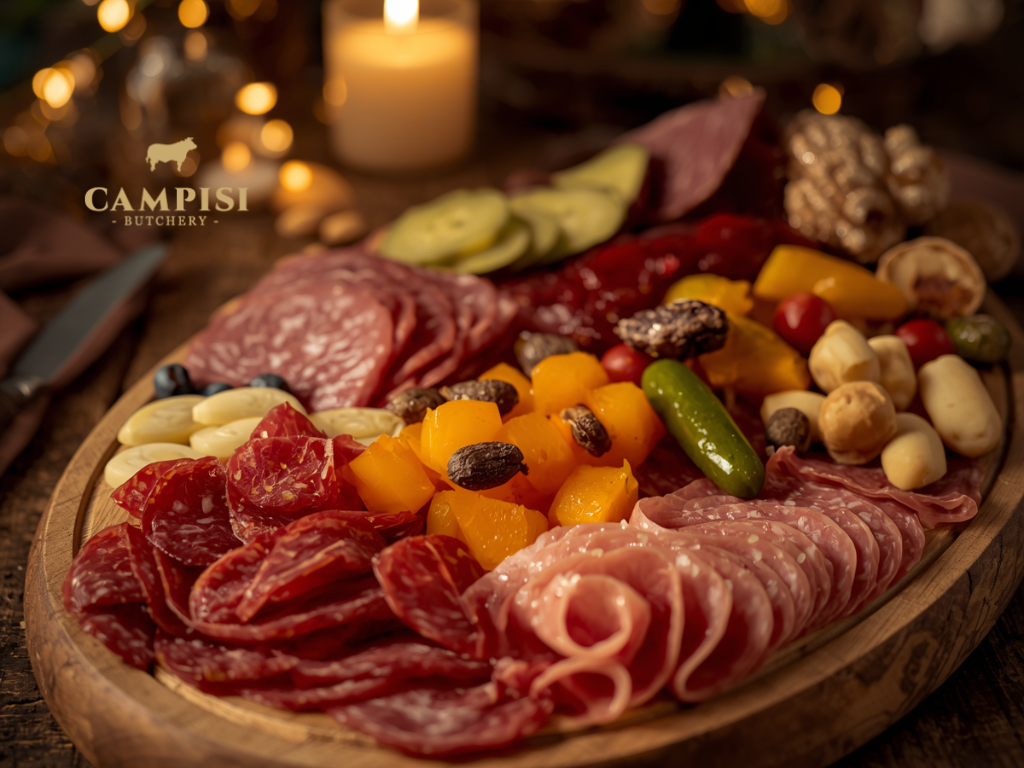
For example, a salumi-focused plate may include prosciutto, mortadella, soppressata and coppa. A charcuterie-style board may include those meats plus soft cheese, hard cheese, fruit, nuts, crackers and dips.
Neither option is better for every occasion. The right choice depends on how many people you are serving, whether the food is a starter or main snack, and whether guests prefer mild or stronger flavours.
Common Types of Salumi to Know Before Buying
Mild, rich, spicy and delicate options
There are many types of salumi, but shoppers do not need to know every regional name to make a good choice. It is more useful to understand the flavour style.
Prosciutto is often thinly sliced and delicate, with a salty and savoury flavour. Mortadella is usually mild, smooth and soft, making it useful for sandwiches or balanced platters. Coppa, also known in some places as capocollo, is often richer because it comes from the pork neck or shoulder. Soppressata is usually firmer and can be mild or spicy depending on the seasoning. Pancetta is often used in cooking, while bresaola is usually made from beef and sliced thin. Food guides commonly describe salumi as including options such as prosciutto, coppa, mortadella, pancetta, bresaola, speck and different salami styles.
If you are new to salumi, it is usually better to choose a mix of mild, rich and stronger options. This gives the plate balance and makes it easier for guests to find something they enjoy.
How texture and flavour change between products
Texture is just as important as flavour. Some salumi is soft and silky. Some is firm and chewy. Some is sliced very thin, while others are better cut slightly thicker.
A platter with only firm salami can feel heavy. A platter with only soft meats can lack contrast. A good mix may include a delicate sliced meat, a richer cured meat and a firmer salami-style option.
This is also why freshly sliced salumi can be helpful. A butcher or deli can often slice the product to suit how it will be served. Thin slices usually work well for antipasto and platters, while slightly thicker slices may suit sandwiches or cooking.
How to Choose the Best Salumi for Your Occasion
Matching salumi to antipasto, sandwiches, grazing boards and meals
The best salumi depends on how you plan to serve it. For antipasto, choose a variety of flavours and textures. A balanced selection might include something mild, something rich and something with a little spice.
For sandwiches, choose salumi that holds its flavour with bread, cheese, tomato, pickles or roasted vegetables. Mortadella, salami and coppa can work well depending on the style of sandwich.
For grazing boards, think about what else is being served. Salty meats pair well with fresh fruit, olives, cheeses, crusty bread and crisp crackers. If the board already has strong cheeses, it may help to choose at least one milder salumi option so the flavours do not compete too much.
For cooking, pancetta or certain salami styles may work better than delicate sliced meats. If the product will be heated, ask your butcher or deli which option is suitable.
Choosing sliced, whole or platter-ready options
Sliced salumi is convenient when you are serving soon. It saves preparation time and helps with presentation. It is a practical choice for parties, family lunches, office catering and quick antipasto boards.
Whole or larger pieces may suit people who want to slice at home, use the product over several meals, or prepare a more rustic table. However, storage and slicing need more care.
Platter-ready options are helpful when you want the butcher or deli to prepare the selection for you. This can be useful if you are unsure how much to buy or how to balance the flavours. If you are ordering for a larger group, ask how much salumi is recommended per person.
What to Look for When Searching for Salumi Near Me
How to compare a butcher, deli or smallgoods supplier
When searching for salumi near me, look for more than location. A good supplier should be able to explain the products, slice them properly, suggest pairings and help you choose the right amount.
It helps to compare freshness, product range, slicing options, storage advice and whether the business understands Italian-style meats. Some Australian salumi producers and suppliers also highlight artisan methods, local stockists and restaurant supply, which shows that shoppers are actively looking for quality products beyond basic deli meat.
If you are buying for an event, ask whether the salumi can be sliced close to pickup time. This can help with presentation and eating quality. If you are buying for home use, ask how to store it and when it should be eaten.
Questions to ask before placing an order
Before ordering, ask what types of salumi are available, which options are mild or spicy, which products are best for platters, and whether the meats can be sliced to suit your serving style.
It is also useful to ask whether the supplier can help with quantity. A small family antipasto plate will need a different amount from a large party platter. You should also ask whether the products need refrigeration, how long they can be kept once sliced, and whether any items contain allergens or specific ingredients.
For Sydney shoppers, local convenience also matters. If you are buying for a same-day gathering, choose a butcher or deli that can prepare the order clearly and on time.
When to Contact Campisi Butchery
When you need advice, slicing or larger quantities
Campisi Butchery can be mentioned naturally when you want help choosing salumi for a meal, platter or event. This is especially useful if you are unsure which products to combine or how much to buy.
A butcher can guide you through mild, rich and stronger options and explain what works best for antipasto, sandwiches or grazing boards. They can also help with slicing, presentation and product selection if you are ordering for a family gathering, workplace event or special occasion.
This is where personal service can make the buying process easier. Instead of guessing from labels alone, you can ask what suits the occasion and choose salumi that fits the way you plan to serve it.
How a local butcher can help with practical product choices
A local butcher can help you choose products based on flavour, quantity, freshness and preparation. If you are new to salumi, they may suggest starting with familiar options before adding stronger flavours.
They can also help you avoid buying too many similar products. For example, if you already have a firm salami, they may suggest adding a softer sliced meat or a milder option for balance. If you are buying for guests, it is worth asking about dietary needs, ingredient details and storage instructions.
Storing, Serving and Pairing Salumi at Home
Simple serving tips for better flavour
Salumi should be handled carefully because it is a meat product. Keep it refrigerated according to the supplier’s instructions and avoid leaving it out for long periods, especially in warm weather. For food safety guidance, follow the product label, supplier advice and Australian food safety recommendations.
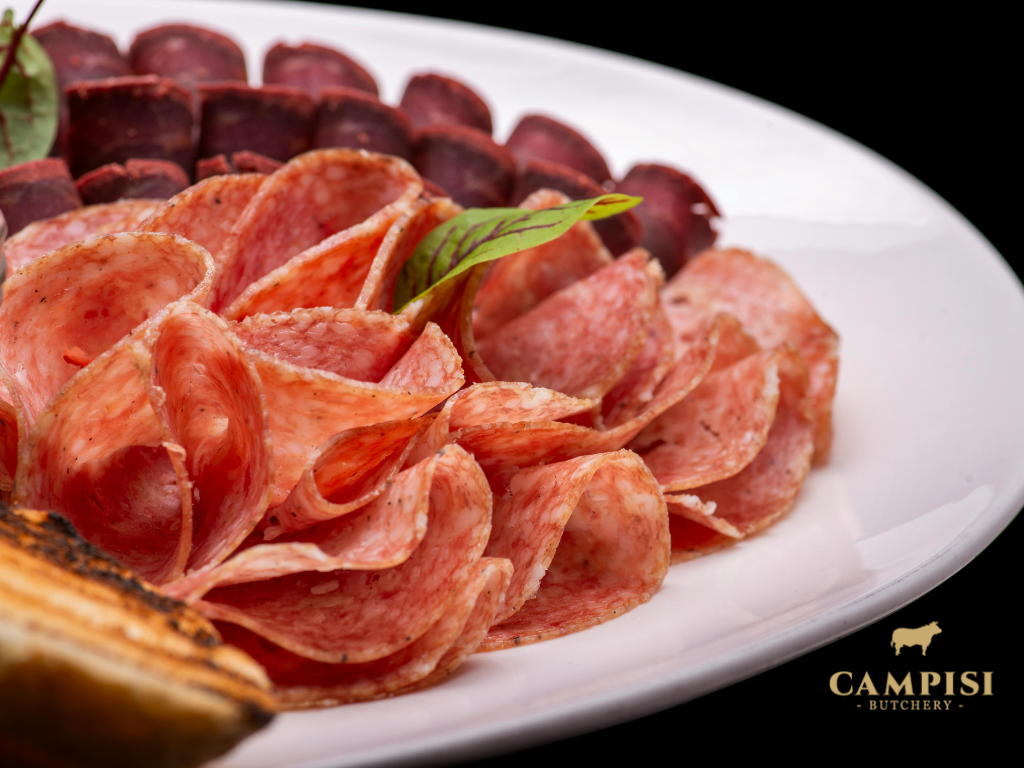
For better eating quality, arrange the salumi in a way that makes it easy to pick up. Thin slices can be folded loosely, while firmer slices can be slightly overlapped. Avoid overcrowding the plate because it makes the food harder to serve.
Pairing is simple. Salumi works well with bread, olives, roasted capsicum, artichokes, pickles, cheeses, figs, melon, grapes or simple crackers. The goal is to balance salt, richness, freshness and crunch.
Internal linking opportunities and next steps
This article can naturally link to related pages such as Italian butcher, deli meats, antipasto platters, fresh sausages, gourmet meats, catering orders, butcher near me and specialty smallgoods.
The next step is to decide how you want to serve the salumi. If it is for a casual meal, choose two or three options with different textures. If it is for entertaining, ask your butcher or deli to help build a balanced selection.
A good salumi purchase should feel simple. You should know what you are buying, how it tastes, how to serve it and how to store it safely at home.