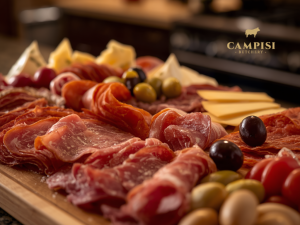
Italian salumi is a broad term for cured and prepared meats made in Italian food traditions. Many people think salumi only means salami, but salami is just one part of the wider salumi family.
When people search for the types of italian salumi, they are often trying to understand what to buy for a platter, grazing board, family gathering, or special meal. They may also be comparing options at a deli, butcher, or Italian food store.
The good news is that salumi does not need to feel confusing. Once you understand the main styles, it becomes easier to choose meats that suit your taste, occasion, and serving style.
Salumi is more than salami
Salumi can include salami, prosciutto, mortadella, pancetta, coppa, bresaola, speck, and other cured or prepared meats. Some are thin and delicate. Some are rich and savoury. Others are mild, spicy, smoky, or firm.
Salami is usually a cured sausage. Prosciutto is thinly sliced cured ham. Mortadella is a smooth, mild cooked meat. Bresaola is often made from beef and has a leaner texture. Pancetta is cured pork belly and is often used in cooking, though some styles may also be served thinly sliced.
Each type brings something different to the table.
Why Australians are searching for it
In Australia, salumi is popular for entertaining, grazing tables, deli-style lunches, antipasto boards, and Italian-inspired meals. Many people want to build a better Salumi plate but are not sure where to start.
Searchers may also want to know the difference between salumi and charcuterie, how much to buy, and which meats work well together.
This is why a simple guide can be useful. It helps shoppers feel more confident before visiting a butcher, deli, or Italian food supplier.
Common Types of Salumi to Know
There are many types of salumi, but you do not need to know every regional style to make a good choice. Start with the main groups, then choose based on flavour, texture, and how the meat will be served.
A balanced selection usually includes something mild, something rich, something salty, and something with a little spice or depth.
Dry-cured and sliced favourites
Salami is one of the most familiar forms of salumi meat. It can be mild, spicy, firm, soft, coarse, or fine-textured depending on the recipe. It works well on platters because it is easy to serve and pairs well with bread, cheese, olives, and pickles.
Prosciutto is another favourite. It is usually sliced very thin and served as a delicate, salty, silky meat. It works well with melon, figs, soft cheese, crusty bread, or simple antipasto sides.
Coppa, also called capocollo in some regions, is made from pork neck or shoulder. It has a rich flavour and a smooth texture when sliced thinly. Bresaola is leaner and often made from beef. It can suit people who prefer a lighter cured meat option.
Pancetta is cured pork belly. It is often used in cooking, but some styles may be sliced for antipasto. If you are unsure how to serve it, ask your butcher for advice.
Cooked and mild options
Not all salumi is dry-cured. Some options are cooked or prepared in a way that gives them a softer, milder flavour.
Mortadella is a classic example. It is smooth, delicate, and often served thinly sliced. Bologna is similar in style and can work well for people who prefer milder meats.
Ham can also be included in a mixed platter, especially when serving people who may not enjoy stronger cured flavours. For a simple entertaining board, an arranged salami bologna ham and prosciutto selection can offer variety without becoming too complicated.
These milder options can help balance stronger meats and make the platter more approachable.
Salumi vs Charcuterie
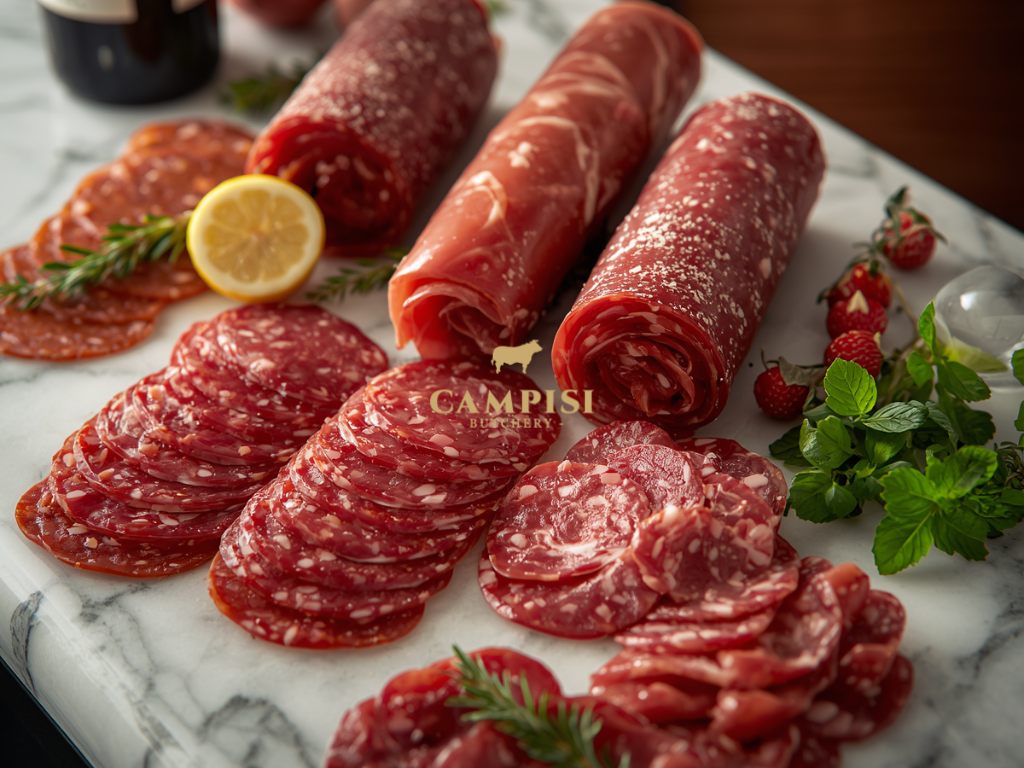
Many people search for salumi vs charcuterie because the words are often used together. They are related, but they are not exactly the same.
Understanding the difference can help you describe what you want when ordering from a butcher, deli, or caterer.
What makes salumi Italian
Salumi refers to Italian-style cured and prepared meats. It is strongly linked to Italian regional food traditions and often includes pork-based products such as salami, prosciutto, mortadella, pancetta, and coppa.
The focus is usually on the meat itself. Flavour, curing style, slicing, fat balance, seasoning, and texture all matter.
If you are building an Italian-style board, salumi is the right word to use. It helps the butcher understand that you are looking for Italian meats rather than a broader grazing platter.
How charcuterie is broader
Charcuterie is a broader term. It comes from French food tradition and can include cured meats, cooked meats, pâté, terrines, sausages, and other prepared meat products.
In Australia, the word charcuterie is also commonly used for grazing boards that include cheese, crackers, fruit, nuts, dips, olives, and other sides.
So, salumi can be part of a charcuterie board, but not all charcuterie is salumi. If you want an Italian-style board, ask for italian salumi or a salumi set.
How to Build a Balanced Salumi Plate
A good Salumi plate should feel easy to eat. It should not be too salty, too rich, or too repetitive. The best boards include contrast.
Think about texture, flavour, colour, and how people will eat the meats. Thin slicing, simple sides, and a clean layout can make a big difference.
Mix flavours, textures, and colours
Start with a mild option such as mortadella, bologna, or ham. Then add a familiar salami. After that, include something more delicate, such as prosciutto, or something richer, such as coppa.
If you like stronger flavours, add a spicy salami or a more intense cured meat. If you prefer a lighter plate, include leaner options such as bresaola.
Texture also matters. Soft meats, firm salami, silky prosciutto, and smooth mortadella all create a better eating experience than using only one type of meat.
Add simple sides that support the meats
Salumi does not need many extras, but the right sides can improve the plate.
Crusty bread, grissini, crackers, olives, pickles, fresh fruit, dried figs, cheese, roasted vegetables, and a light spread can all work well.
Avoid adding too many strong flavours at once. Salumi already has salt, fat, seasoning, and richness. Simple sides let the meat stay the main focus.
For a relaxed Australian gathering, a salumi plate can sit alongside salads, bread, cheese, antipasto vegetables, and drinks.
How to Choose the Right Product or Service
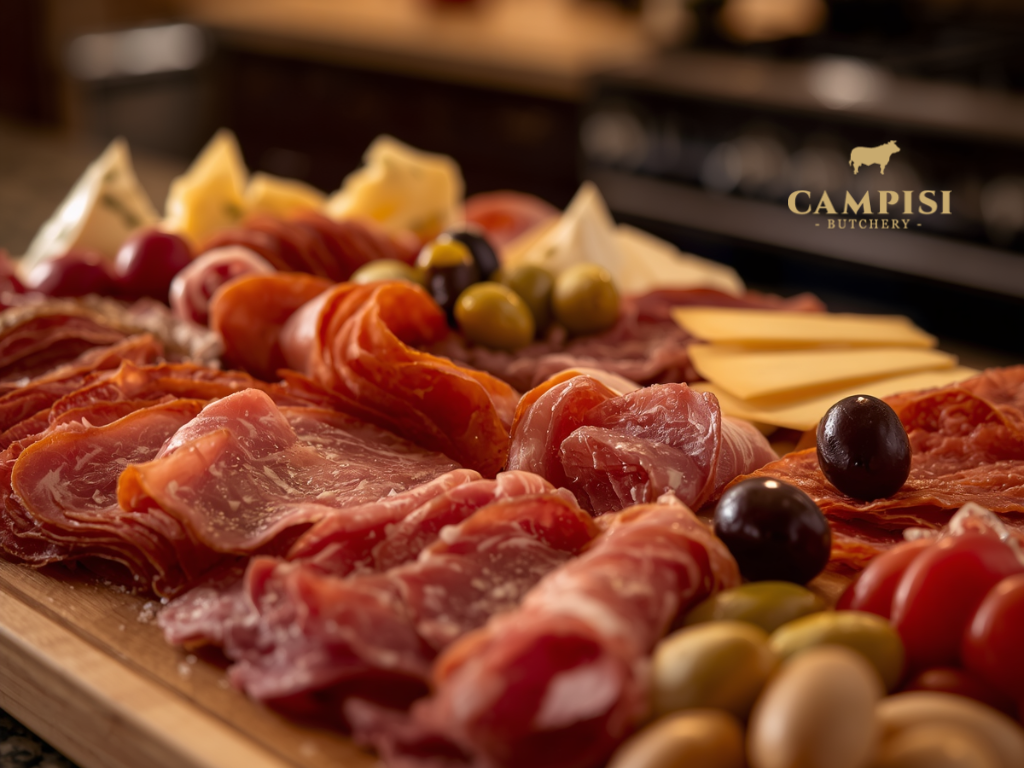
Choosing salumi is easier when you think about the occasion first. A family lunch may need different meats from a large event, picnic, grazing table, or formal platter.
A good butcher or deli should help you choose meats that suit the number of guests, the serving style, and the flavour preferences of the group.
Ask about slicing, freshness, and storage
Slicing makes a big difference. Prosciutto and mortadella are usually best sliced thinly. Salami may be sliced thin or slightly thicker depending on texture and serving style.
Ask how the meat should be stored before serving. Ready-to-eat meats should be kept safely chilled and handled carefully. If you are transporting salumi for an event, ask how long it can be out of the fridge and how it should be packed. Any food-safety timing should be confirmed with the supplier or relevant food-safety guidance.
Freshness also matters. A good supplier should be able to explain when the meat is sliced, how it is packed, and how soon it should be eaten.
Choose a butcher that understands the occasion
If you are ordering a salumi set, explain the occasion. A butcher can often suggest a better mix when they know whether the food is for a small dinner, grazing board, office event, birthday, or family gathering.
A helpful butcher may also guide you on mild and strong flavours, portion sizes, slicing style, and what to serve with each meat.
This is especially useful if you are new to Italian salumi and want a plate that feels balanced rather than random.
When to Visit an Italian Butchery
An Italian butchery can be useful when you want more guidance than a supermarket packet can provide. You can ask questions, compare cuts, and choose meats based on the way you plan to serve them.
This is helpful for both beginners and people who already know what they like.
For better advice and product variety
A butcher can explain the difference between salami, prosciutto, bologna, ham, mortadella, pancetta, and other products. They can also help you choose meats with different flavours and textures.
If you are searching for an italian butcher melbourne, your goal may be to find traditional advice, better slicing, or a more personalised selection. If you are closer to butchery emerald hills, local butcher support may be more practical for fresh orders, family events, and everyday shopping.
The main point is to choose a supplier that can answer questions clearly and handle the meat properly.
When Campisi Butchery may be useful
Campisi Butchery may be useful for customers looking for Italian-style meat advice, fresh butcher support, and help building a suitable salumi selection.
For example, someone may want a simple salumi set for a family gathering, or they may want advice on building a Salumi plate with arranged salami bologna ham and prosciutto. In that situation, speaking with a butcher can help the buyer choose a better mix.
This is also helpful when the customer is unsure how much to buy or wants a selection that suits different tastes.
When to Contact the Company
It is worth contacting the butcher before ordering if you need a specific selection, larger quantity, event platter, or sliced meats prepared for a certain time.
This can help avoid last-minute stress and make sure the meats suit the occasion.
Ask before ordering a salumi set
Contact the company if you are unsure which types of salumi to choose. You can ask about flavour, slicing, storage, serving sizes, product availability, and pick-up timing.
This is especially helpful if you are building a platter for guests and want a mix of mild and stronger flavours.
You should also ask if you need meats sliced fresh, packed separately, or prepared for travel. The right packing can help keep the salumi easier to store and serve.
Prepare details before placing an order
Before calling, think about how many people you are serving, whether the salumi will be a main grazing item or part of a larger meal, and what other foods will be served with it.
Also mention any flavour preferences. Some groups prefer mild meats, while others enjoy spicy salami, richer cured pork, or stronger traditional flavours.
If you are not sure what to choose, ask for a balanced mix. A good salumi plate should be easy to enjoy, simple to serve, and suited to the people eating it.
Learning the types of italian salumi can make shopping and entertaining much easier. Once you understand the main styles, you can build better platters, ask better questions, and choose meats with more confidence.