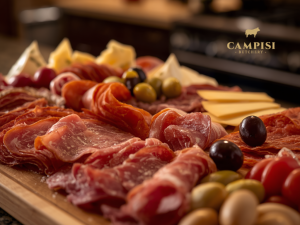
Many people feel confused when they hear the terms salumi vs charcuterie. This is very common. Both focus on preserved meats and are often served in the same way. You will usually see them sliced thin and arranged on boards with cheese, bread, olives, or fruit. Because they look similar, the words are often used interchangeably.
Another reason for the confusion is modern food culture. Restaurants, cafés, and even supermarkets sometimes label everything as charcuterie, even when the meats are Italian salumi. Over time, this has blurred the meaning of both terms.
However, they come from different food traditions. Salumi belongs to Italian culture and focuses on specific methods and cuts. Charcuterie comes from French traditions and includes a wider range of meat preparations. Understanding this background makes the difference clearer and helps you appreciate each style more.
Why do salumi and charcuterie look so similar?
Both styles use cured meats, thin slicing, and simple presentation on boards or plates.
Are salumi vs charcuterie actually the same thing?
No. They share ideas, but the meats, methods, and traditions are different.
cured meats: The Shared Foundation of Salumi and Charcuterie
cured meats are the shared foundation of both salumi and charcuterie. Curing is a method that preserves meat using salt, time, and sometimes spices. This process removes moisture and helps stop bacteria from growing. At the same time, it creates deep and rich flavours.
Curing methods have been used for centuries. Before refrigeration, curing was essential for storing meat safely. Different regions developed their own techniques based on climate and available ingredients. This is why cured meats vary so much in taste and texture.
Some cured meats are aged for months or even years. Others are lightly cured and eaten sooner. These differences shape how the meat tastes and feels when eaten.
What are cured meats and why are they used?
They are preserved meats made for flavour, safety, and long storage life.
Are all cured meats the same?
No. Each region uses different curing methods, spices, and ageing times.
salumi meat: What Meats Are Traditionally Included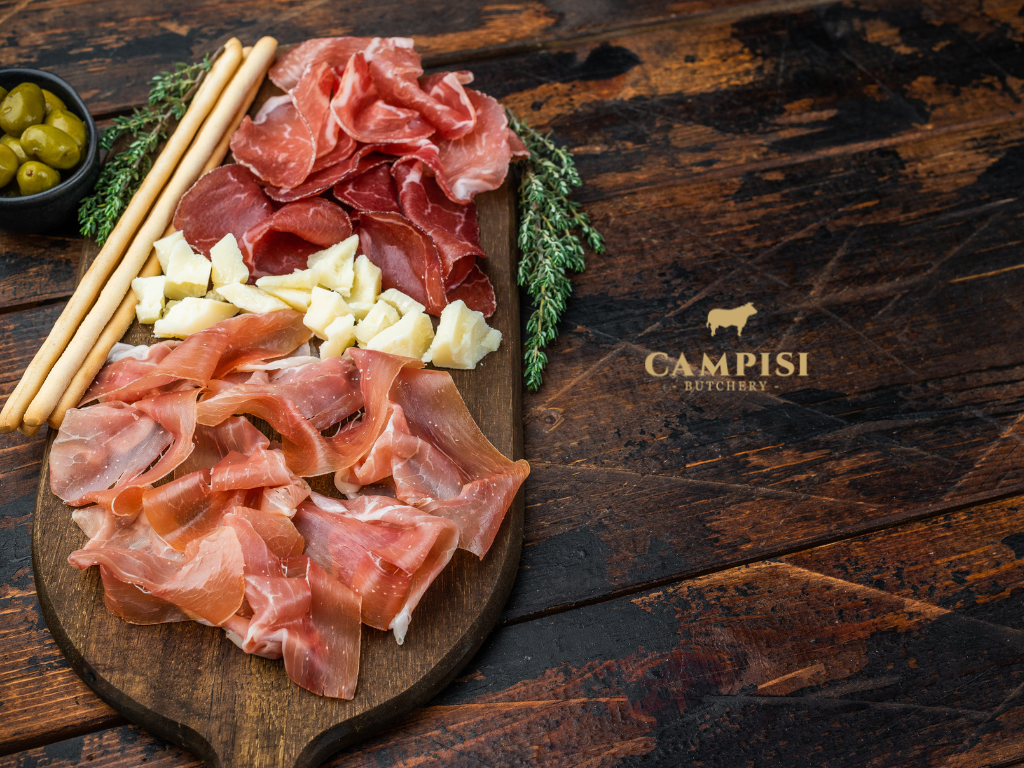
salumi meat is a key part of Italian food tradition. It usually focuses on pork, although some regional styles use other meats. Different cuts are chosen carefully to balance lean meat and fat. This balance creates flavour and texture.
Italian salumi is often aged slowly. Time allows natural flavours to develop without heavy seasoning. The result is meat that tastes rich but not overpowering. Each style reflects local traditions, climate, and taste preferences.
Salumi meat is often enjoyed on its own, sliced thin, so the flavour can be fully appreciated.
What meats are used in traditional salumi?
Most salumi meat uses pork cuts such as shoulder, belly, and leg.
How is salumi meat seasoned?
It is seasoned with salt, pepper, herbs, and sometimes garlic or chilli.
types of italian salumi You’ll Commonly See
There are many types of italian salumi, and each one offers a different experience. Some are soft and smooth. Others are firm and dry. Texture depends on the cut of meat and how long it has been aged.
Regional influence plays a big role. Northern Italian salumi is often milder and less spicy. Southern styles can be bolder and more intense. Climate affects how meat is cured and how long it is aged.
Exploring different types helps you understand Italian food culture better and find flavours you enjoy most.
Which cuts are most popular in Italian salumi?
Popular options include salami, pancetta, coppa, mortadella, and prosciutto.
Do different Italian regions use different meats?
Yes. Geography, climate, and tradition shape meat choice and flavour.
Gourmet Meat Recipes That Use Salumi and Charcuterie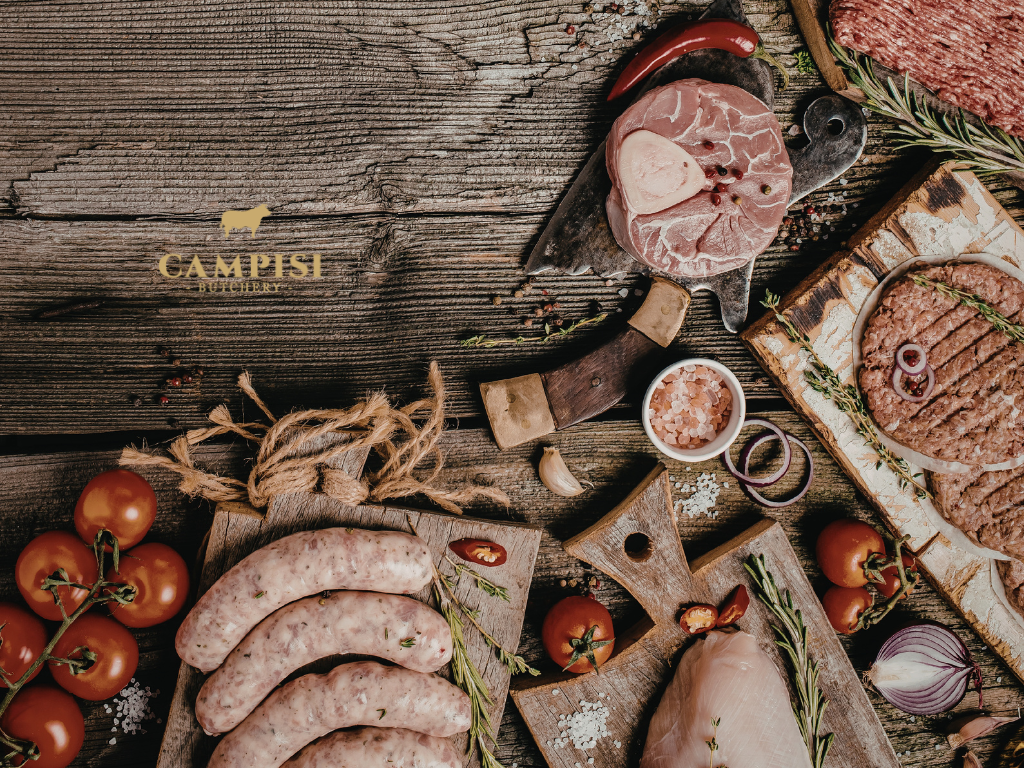
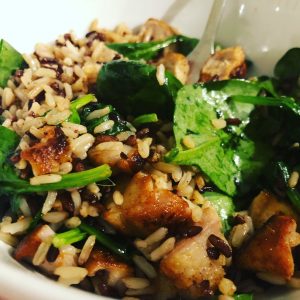
Gourmet Meat Recipes often use salumi and charcuterie in simple but creative ways. These meats already have strong flavour, so they do not need much cooking. A small amount can add depth to many dishes and elevate everyday meals.
They are commonly used in pasta, risotto, sandwiches, and salads. Salumi and charcuterie are also popular on grazing boards for sharing. For those looking for quality ingredients, Campisi Butchery is the Meat Shop where they can get all types of fresh meat such as Beef, pork, venison, chicken, lambs and some Gourmet specialties, making it easier to prepare flavourful recipes at home.
Simple preparation keeps the flavour of the meat front and centre.
How are salumi and charcuterie used in cooking?
They are sliced, layered, or lightly warmed to add flavour to dishes.
Are these meats better cooked or served raw?
Most are best served as-is to enjoy their natural taste and texture.
italian butcher melbourne: Where Salumi and Charcuterie Are Sourced
An italian butcher melbourne is often the best place to buy quality cured meats. Skilled butchers understand traditional methods, ageing times, and proper storage. They take care in selecting and preparing meats.
Buying from a specialist butcher also means better advice. You can ask about flavour, texture, and how to serve the meat. This makes it easier to choose the right option for your meal or board.
A good butcher helps preserve tradition and ensures high quality.
Why does the butcher matter for cured meats?
A skilled butcher ensures quality, freshness, and proper ageing.
What should you ask an Italian butcher?
Ask about origin, ageing time, flavour profile, and serving tips.
cured meats near me: How to Choose the Right Meats for Your Taste

Searching for cured meats near me can feel overwhelming at first. There are many flavours, textures, and styles to choose from. A good starting point is deciding whether you prefer mild or bold flavours.
Texture is also important. Some people enjoy soft and smooth meats. Others prefer firm and dry cuts. Trying small portions helps you learn without pressure.
Mixing different styles can be fun and educational. Over time, you will develop confidence and discover your favourites.
How do you choose cured meats you’ll enjoy?
Start with mild options, try small portions, and explore slowly.
Is it okay to mix salumi and charcuterie?
Yes. Mixing styles helps you discover new flavours and combinations.