Searching for salumi near me often means you are ready to buy, but the deli counter can still feel confusing.
You may see salami, prosciutto, coppa, mortadella, pancetta and other cured meats. They can differ in flavour, texture and the way people usually serve them.
You do not need to know every Italian name before visiting a butcher. A few simple questions can make choosing much easier.
Salumi is a broad Italian term used for cured meat products. It includes more than salami alone. SBS describes products such as prosciutto, mortadella and bresaola as part of the wider salumi tradition.
The best starting point is to think about how you plan to eat the meat. From there, you can compare flavours, cuts, slicing and quantities with much more confidence.
Know the difference between salumi and salami
Salumi and salami are related, but they do not mean exactly the same thing.
Salumi is the broader category. Salami is one product that sits within it.
Other examples can include prosciutto, coppa, mortadella, pancetta and bresaola. The products can use different cuts of meat and different preparation methods.
This distinction is useful at the deli counter.
If you ask only for salami, you may miss other cured meats that could suit your meal better. Asking what salumi is available gives the butcher more room to explain the range.
You may also see searches online using terms such as salumis. Whatever wording brings you to the deli, the useful question is which specific cured meat suits what you want to make.
Learn the main styles before reaching the counter
You do not need to memorise a long list of Italian names.
Start with a few common products.
Prosciutto is commonly served in thin slices. Mortadella is a cooked Italian meat that works well in antipasto and sandwiches. SBS notes that mortadella has a long Italian food tradition and is commonly used both in antipasto and other dishes.
Coppa offers another option for people who enjoy cured pork. Salami gives you many choices because recipes, seasoning and styles can vary.
Campisi Butchery’s current smallgoods range, for example, includes salami, coppa, prosciutto, N’Duja and pancetta.
Knowing these basic names gives you a starting point. You can then ask the butcher to explain the differences.
Decide What You Want the Salumi For
Before asking which product is “best”, decide what you plan to make.
A cured meat for an Italian sandwich may not be the same choice you would make for an antipasto plate.
For sandwiches, you may want slices that are easy to layer with cheese, vegetables or bread. An antipasto plate gives you more room to serve several contrasting meats.
Pizza and cooking create another set of choices. Some products work well as toppings or ingredients, while others are often enjoyed as they are.
Tell the butcher what you are preparing.
Saying, “I need salumi for six sandwiches” is more useful than asking for the best salumi without any other information.
The butcher can then suggest products based on the meal rather than guessing what you might like.
Choose between mild, rich and stronger flavours
Flavour preference is another easy way to narrow your choices.
You do not need specialist food vocabulary.
Simply tell the butcher whether you prefer something mild, rich, spicy or more strongly seasoned. If several people will share the food, you may want a mix rather than one dominant flavour.
This approach is particularly useful when you are unfamiliar with italian salumi.
Instead of choosing a product because its name sounds familiar, describe what you normally enjoy eating.
You can also ask what pairs well with the cheese, bread or other food you plan to serve.
The aim is not to find one product that everyone must consider superior. It is to find salumi that suits your taste and occasion.
Ask Better Questions at the Deli Counter
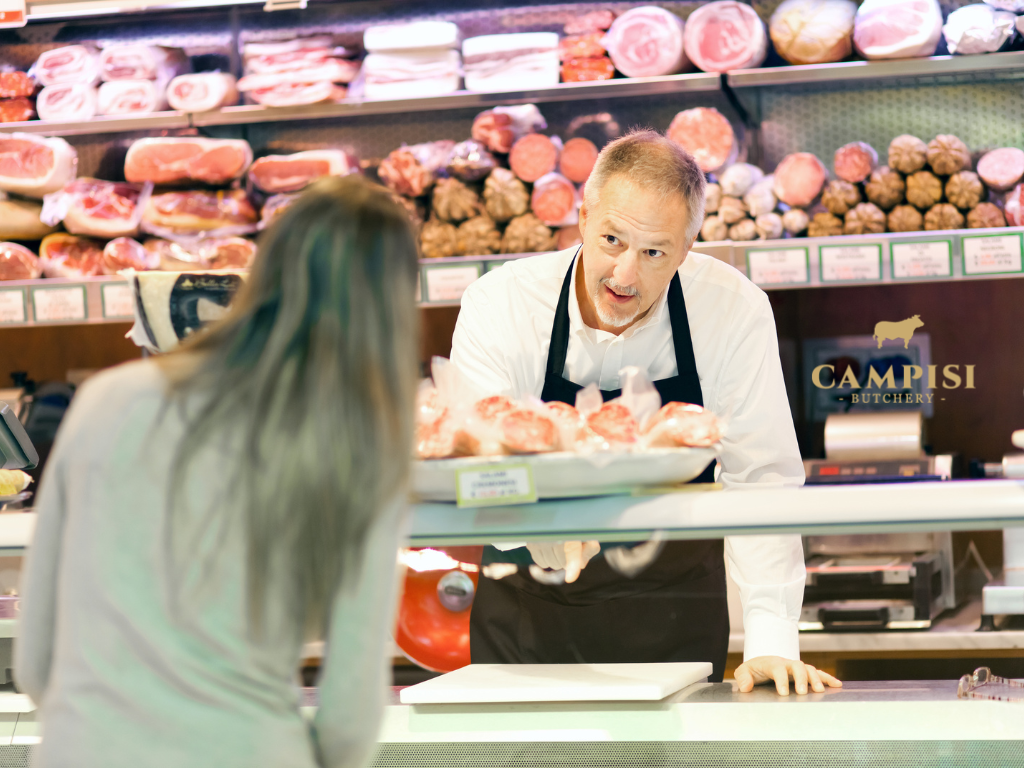
Ask about the product before choosing
A good deli visit should involve more than pointing at the display.
Ask what each product is and how people commonly serve it.
You can also ask whether the butcher has a milder or stronger alternative.
If you are comparing salumi italian styles for the first time, ask about the main flavour and texture differences. This is more useful than trying to judge everything from appearance alone.
The answer may help you decide whether the product belongs in a sandwich, on a grazing board or in another meal.
If ingredients or allergens matter to you, ask about them directly or check the available product information.
NSW Food Authority regulates retail meat premises and applies additional requirements to businesses processing ready-to-eat and fermented meat products such as salami.
That does not mean every cured meat is identical. Product type, ingredients and handling can still differ, so ask when something matters to your purchase.
Tell the butcher how you plan to use it
The easiest deli question may be a statement rather than a question.
Tell the butcher what you are making.
For example, explain that you need cured meat for a family antipasto plate, lunch sandwiches or a gathering.
This gives the person behind the counter useful context.
They can suggest a salumi meat style and may also help with slicing or quantity.
If you want several varieties, say that too.
A butcher may be able to suggest contrasting options rather than giving you three products with very similar flavours.
This is especially helpful when you know what you want to serve but do not know the traditional product names.
Compare Slicing, Quantity and Storage
Slicing changes how cured meat feels when you eat it.
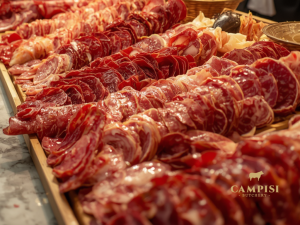
Very thin slices can work well when you want meat to fold easily into sandwiches or sit lightly on a platter. Other products may suit a slightly thicker cut.
There is no need to guess.
Tell the butcher how you plan to serve the product and ask what slicing style suits it.
This is one advantage of buying from a deli counter where the product and service allow you to discuss your preference.
You may also be able to order different products at different thicknesses.
That can make a mixed plate more interesting without adding more ingredients.
Buy an amount you can use and store correctly
It is easy to buy too much when several cured meats look appealing.
Think about how many people will eat the food and whether salumi is the main feature or only one part of the meal.
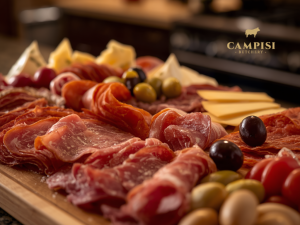
For an antipasto board, it may sit alongside cheese, bread, olives and other foods. A sandwich lunch may require a different amount.
Ask the butcher for help if you are unsure about quantity.
Once you take the product home, follow its storage instructions. NSW Food Authority advises keeping perishable sliced meats refrigerated. It also stresses separating ready-to-eat food from raw meat to reduce cross-contamination risk.
Different products can have different storage requirements. Use the label or the supplier’s instructions rather than assuming every cured meat can be stored the same way.
Compare Different types of salumi Without Guessing
Understand what makes each style different
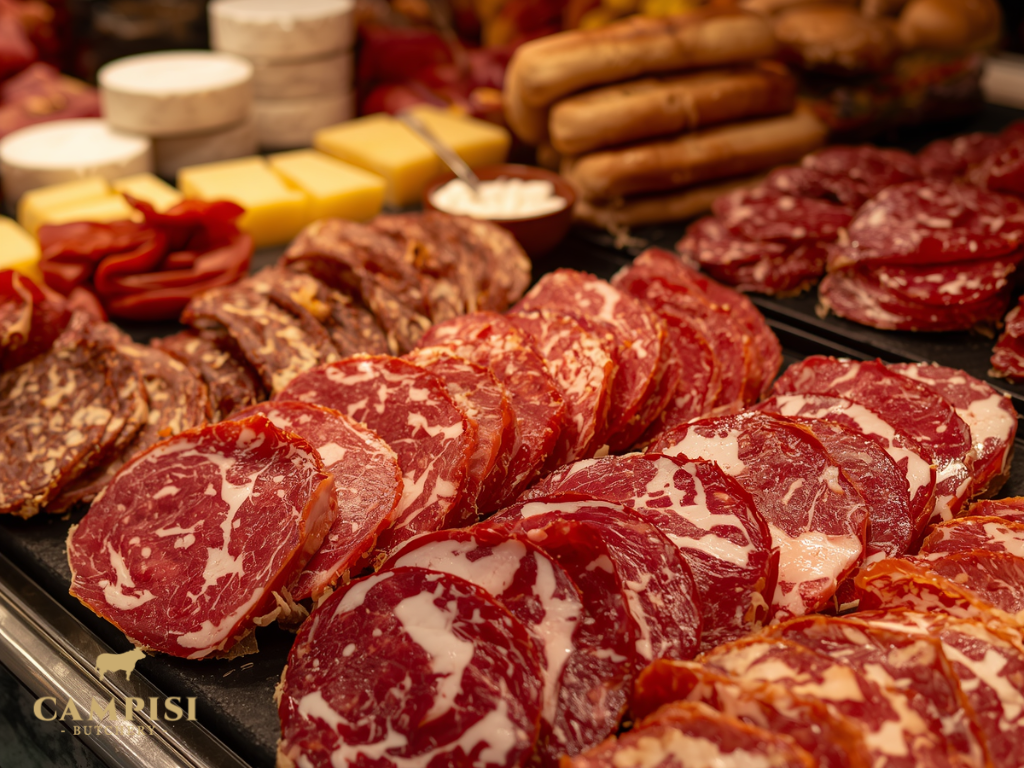
One reason the deli counter can feel confusing is that several very different products appear together.
Some salumi use whole cuts of meat. Others are made as cured sausages. Mortadella is a cooked product, while other traditional products rely on curing and ageing methods.
You do not need to understand the full production process to make a good purchase.
Instead, compare what matters when eating it.
Ask whether the product is delicate or strongly flavoured. Find out whether it is soft, firm or particularly rich.
Then think about the rest of the meal.
A strong meat can become the main flavour on a simple plate. A milder option may work better when combined with several cheeses and condiments.
Build variety instead of choosing several similar meats
If you are buying for an antipasto or grazing plate, variety can be more useful than quantity.
Instead of selecting several similar salamis, consider mixing different styles.
You might combine a thinly sliced cured ham with salami and another cured pork product. This creates more contrast across the plate.
The exact combination depends on personal taste.
Ask the butcher to explain how the options differ before buying.
This approach can also help if you are trying italian salumi for the first time. Rather than committing to a large amount of one unfamiliar product, you can explore a few styles in sensible quantities.
That makes the deli visit more about finding what you enjoy and less about guessing which unfamiliar name to choose.
Choose the Right Butcher or Deli
A large selection is useful, but range alone does not make choosing easier.
Helpful product knowledge matters too.
When comparing places after searching for salumi near me, consider whether staff can explain what they sell. They should be able to help you understand the different styles available from their range.
Slicing options can also matter when you have a specific serving plan.
Think about the kind of purchase you are making.
Someone buying a small amount for sandwiches has different needs from a customer preparing food for a larger family gathering.
A useful butcher or deli experience should help you match the purchase to that purpose.
Check whether the range suits what you actually need
Campisi Butchery is one local option for shoppers in Sydney’s south-west who want to explore Italian-style cured meats.
The family-run business operates in West Hoxton, NSW. Its current published smallgoods range includes salami, coppa, prosciutto, N’Duja and pancetta. The business also lists cured products such as coppa and a salumi plate among its offerings.
That makes Campisi Butchery relevant when you want to discuss several types of salumi rather than buying an unfamiliar product without guidance.
Still, choose based on what you need.
If you are after a particular product, cut or quantity, check whether it is currently available before making a special trip.
A good buying decision comes from matching the shop’s actual range with your meal, taste and quantity requirements.
Know When to Contact Campisi Butchery Before Visiting
Ask ahead when you need a particular product or quantity
For an everyday purchase, you may simply visit the butcher and see what is available.
A larger event may need more planning.
If you want a specific cured meat or need enough for a gathering, contacting the butcher first can help you confirm the current range.
This is also useful when your menu depends on one particular product.
Campisi Butchery currently operates from West Hoxton and advertises a range of Southern Italian-style smallgoods.
Do not assume every listed product will always be available in every quantity. Asking before you visit is a simple way to avoid building your menu around an item you have not yet confirmed.
Give the butcher enough information to help
When you contact a butcher, explain what you need rather than simply asking for the best salumi.
Mention the occasion and how many people you are serving.
Tell them whether the cured meats are for sandwiches, an antipasto plate, a grazing table or another dish.
It also helps to mention flavour preferences.
If your guests prefer mild food, say so. If you want a mixture of traditional and stronger flavours, explain that as well.
This gives the butcher enough information to discuss suitable options from the available range.
Finding quality salumi does not require becoming an expert in Italian cured meats before you shop.
Understand a few basic types of salumi, decide how you want to serve them and ask clear questions at the counter. Then compare flavour, slicing, quantity and storage based on your actual needs.
The next time you search for salumi near me, you will have a much better idea of what to ask for when you arrive.